Analytics Insight 2026 Industry Report Ranks Ten Emerging AI Platforms for Enterprise Workflow Automation

Analytics Insight 2026: The Shift Toward Agentic AI Ecosystems
The enterprise software world is undergoing a messy, necessary divorce. Companies are finally breaking up with their fragmented, single-purpose toolkits in favor of something more cohesive: agentic AI ecosystems. The 2026 industry report from Analytics Insight makes one thing clear—we’ve moved past the "shiny new toy" phase of AI. Now, it’s about getting the work done.
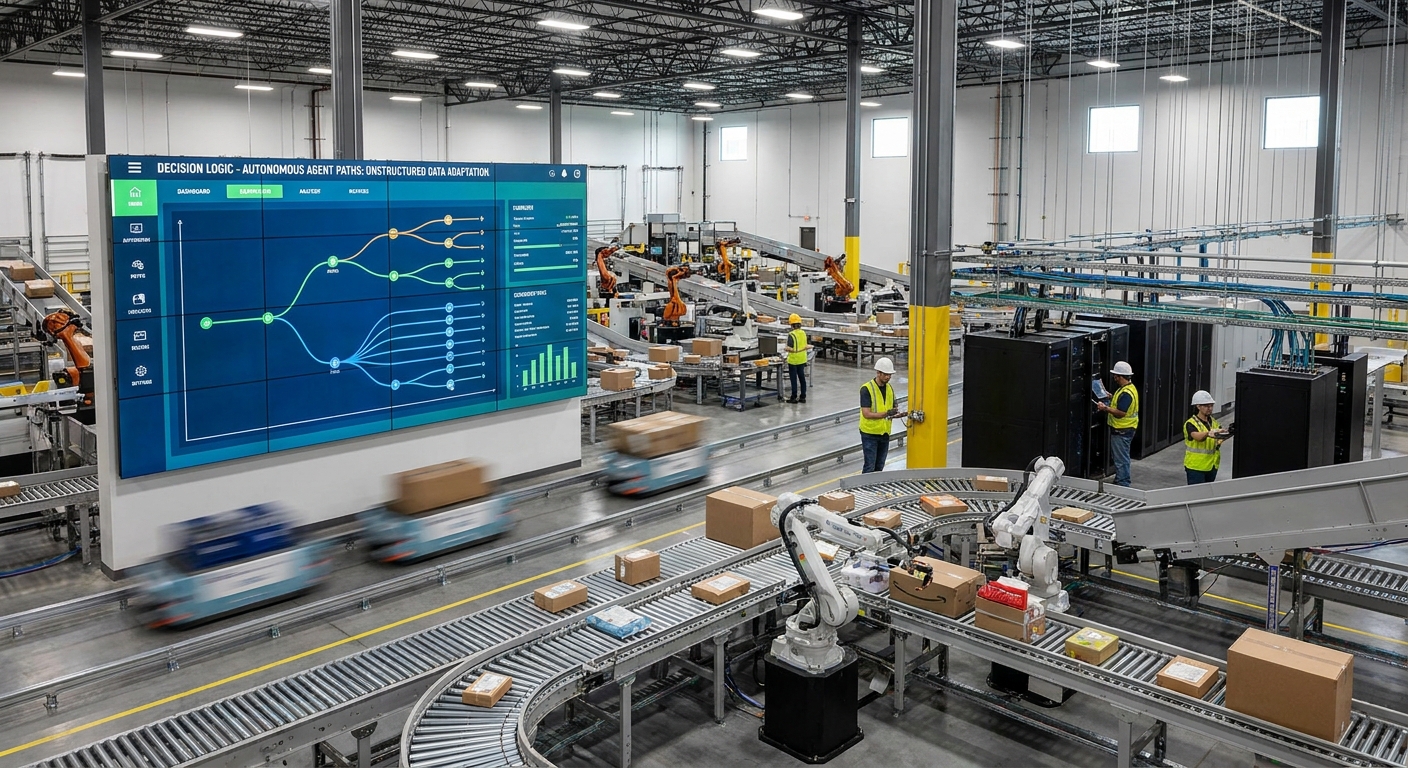
This isn't just another tech trend; it’s a structural rewrite of how businesses operate. From the high-stakes labs of biotech firms to the dense paperwork of legal offices, specialized AI platforms are stepping in to handle the heavy lifting. We aren't talking about simple chatbots anymore. We’re talking about autonomous systems that can navigate disconnected software environments, make decisions, and execute logic without needing a human to hold their hand every step of the way.
The Rise of the Specialist
For a long time, the industry was obsessed with "general intelligence"—models that could write poetry or summarize a meeting. That’s cute, but it doesn't run a company. The market has pivoted toward orchestration. The winners today are startups that understand the specific, ugly bottlenecks of an industry.
Look at Exonic. They aren't trying to be everything to everyone; they’re using AI to map protein interactions and shave years off drug discovery. Then there's Spring Health, which is doing the hard work of matching mental health patients with the right therapists, or EvenUp, which has turned the tedious grind of medical record review and damage calculation into an automated process.
These companies succeed because they don't just "do AI." They do domain-specific AI. They understand the data structures that make an industry tick. Meanwhile, the plumbing is being laid by infrastructure players like Baseten, which helps enterprises actually deploy and scale these models, and Hebbia, which acts as a research assistant capable of chewing through massive document sets to find the one needle of insight in a haystack of corporate noise.
The AI Operating System
If you’re running a dozen different AI agents, you’ve got a new problem: chaos. How do you get them to talk to each other? How do you keep them from tripping over one another?
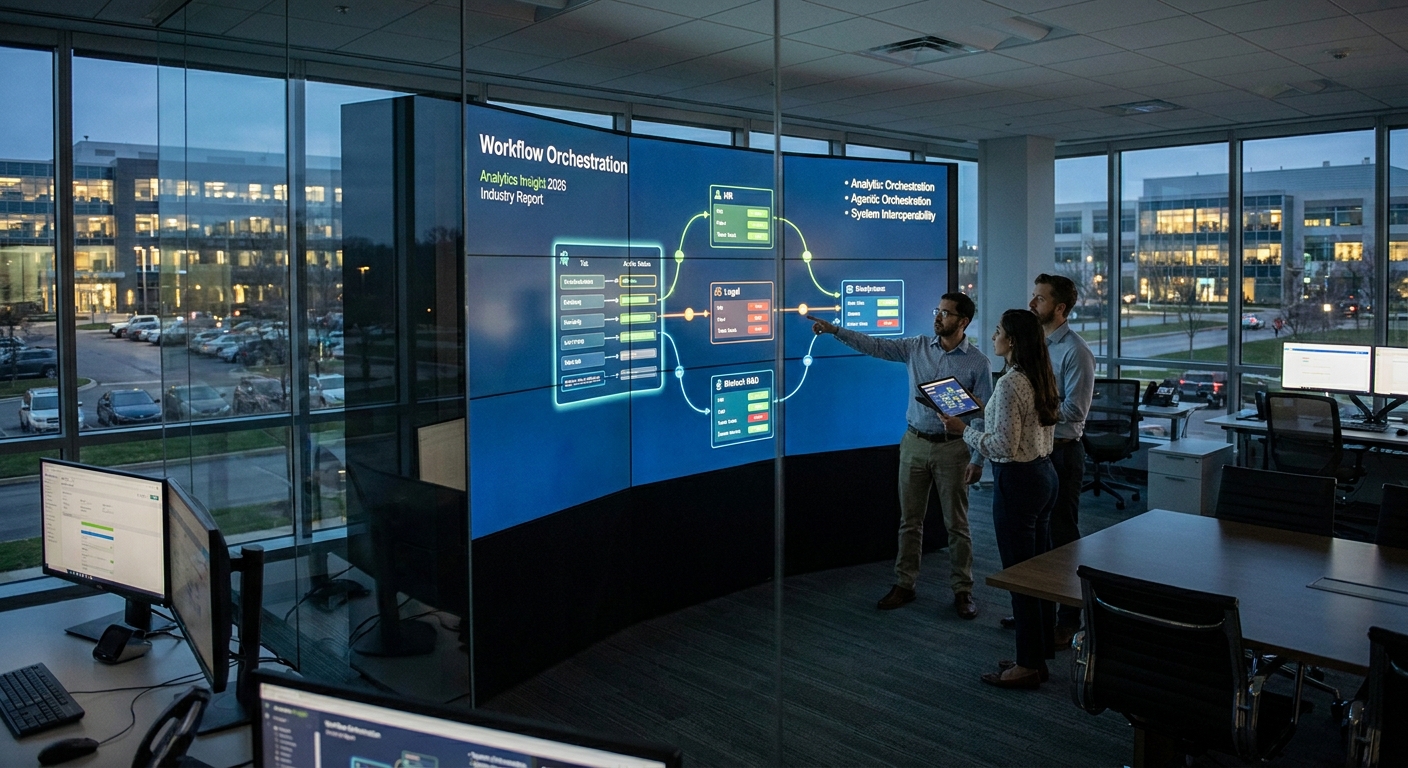
This is why the "AI Operating System" has become the holy grail of 2026. Take Sana, for example. It’s built to sit on top of your existing ERP software, acting as a conductor for an orchestra of agents. It doesn't replace your systems; it makes them work together.
When these platforms hit their stride, they do four things remarkably well:
- Knowledge Retrieval: They dig through your internal databases to find what you actually need, not just what you searched for.
- Action Execution: They don't just suggest a change; they go into your third-party software and make it.
- Output Generation: They synthesize cross-system data into actual reports, not just raw dumps.
- Workflow Automation: They handle the boring, multi-step processes that suck the life out of a workday.
Mapping the Landscape
The 2026 report paints a picture of a diverse, crowded market. You’ve got the heavy-hitting research models, the niche automation engines, and the coding assistants that have become standard issue for developers.
| Platform Category | Representative Tools |
|---|---|
| Workflow Orchestration | Sana, Zapier |
| Coding and Development | Cursor, GitHub Copilot |
| Language and Research | Claude, Gemini, ChatGPT, Perplexity |
| Analytics & Productivity | Power BI, Domo, Tableau, Grammarly, Notion AI, Jasper |
What’s Coming Next?
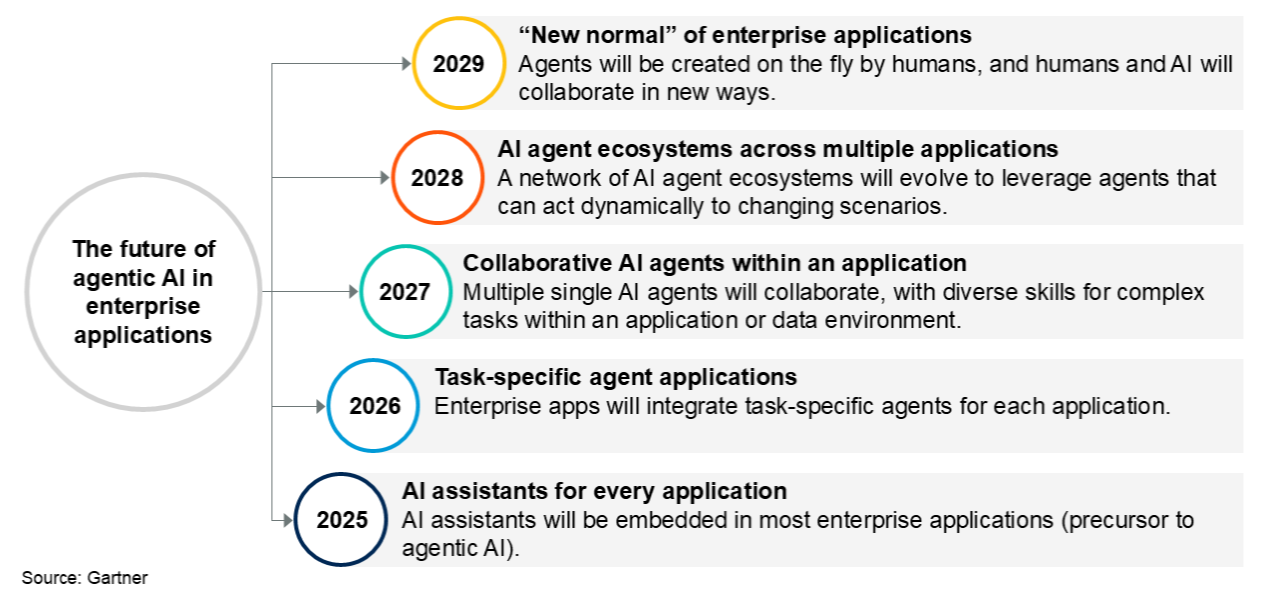
Gartner suggests we’re in the early chapters of a five-stage evolution. We started with simple assistants; we’re headed toward fully interoperable, collaborative ecosystems. By 2027, we expect to see agents that don't just work alone—they’ll have complementary skill sets, teaming up to solve problems that are too complex for any single model.
The money behind this is staggering. We’re looking at a potential $450 billion market by 2035. More importantly, the way we use computers is going to change. By 2028, a third of our digital interactions might not happen in a traditional "app" at all. Instead, we’ll interact with agentic front ends—interfaces that build themselves on the fly based on what we’re trying to achieve.
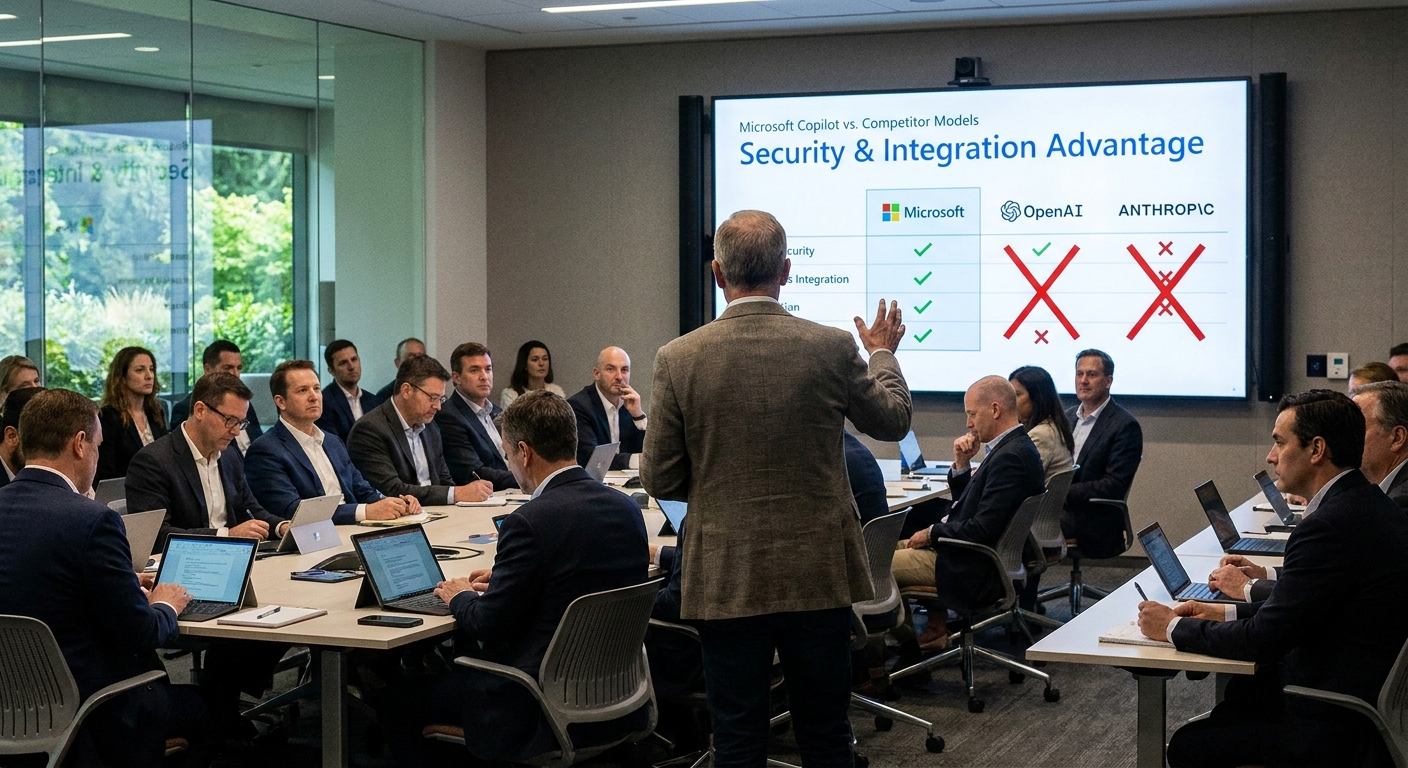
For leaders trying to steer their companies through this, the advice is simple: stop obsessing over model quality. The real competitive advantage lies in integration. Whether you are leveraging AI agents for automating work or deploying top-rated AI marketing software, the focus must be on governance, data security, and how these tools play with your legacy systems.
The line between "software" and "AI agent" is fading fast. Soon, autonomous task execution won't be a premium feature—it’ll be the baseline for every digital tool in the office. The companies that learn to orchestrate this transition today are the ones that will still be standing tomorrow.