New Industry Analysis Ranks 50+ Autonomous AI Agent Platforms for Enterprise Workflow Automation


The Great AI Pivot: Ranking 50+ Autonomous Agents for the Enterprise
The honeymoon phase with simple, chatty AI is officially over. As of July 2026, the enterprise world has stopped asking, "What can this chatbot write?" and started demanding, "What can this agent actually do?"
A fresh industry assessment has cataloged over 50 autonomous AI agent platforms, and the results tell a clear story: the market is ditching general-purpose toys for specialized, autonomous workhorses. Organizations are no longer interested in novelty; they want agents that can navigate a multi-step business process without hallucinating or breaking the company firewall.
The Landscape: Beyond the Chatbot
The current market is a noisy, crowded room. You’ve got tech titans throwing their weight around and scrappy startups trying to out-maneuver them. According to The AI Agent Index, there are 46 top-tier agents currently fighting for a seat at the enterprise table.
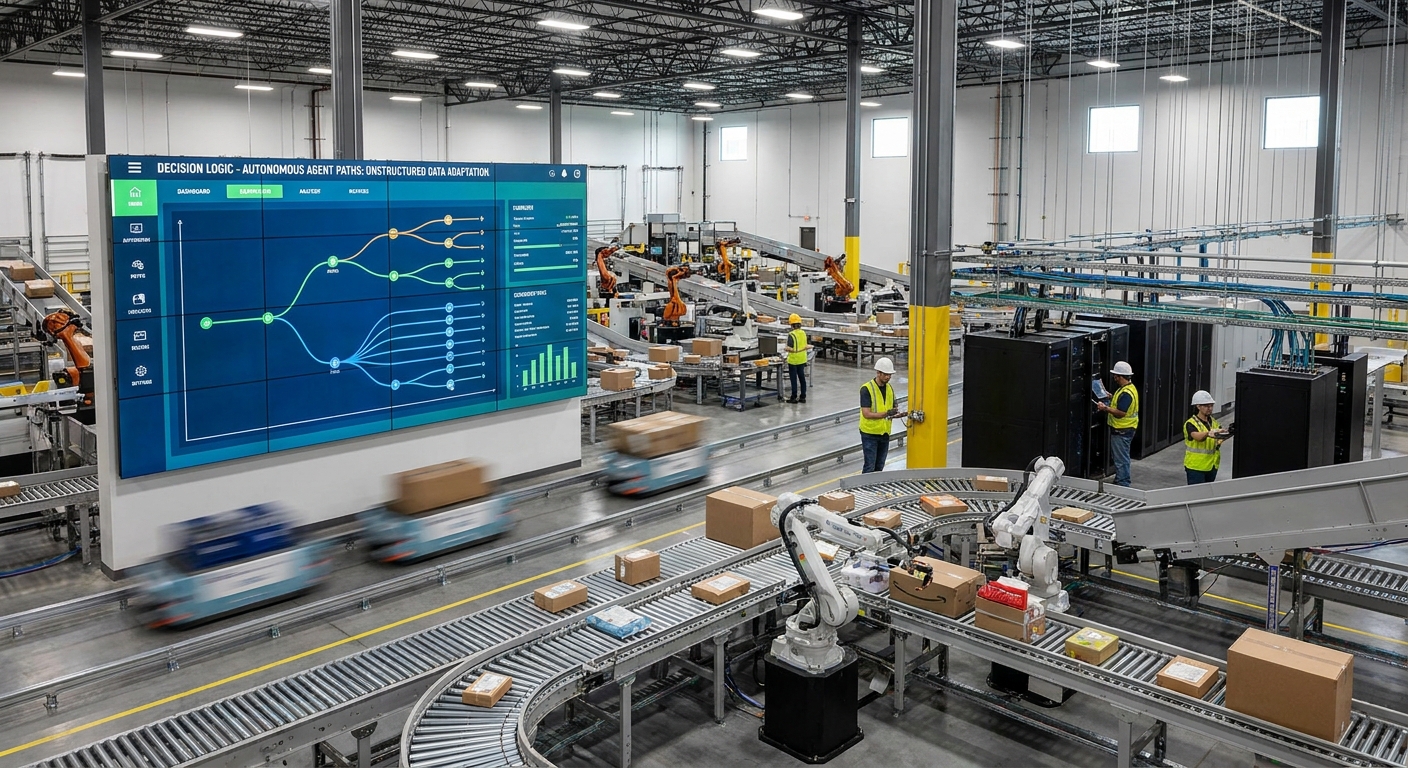
Why the sudden shift? Early LLMs were great at summarizing meetings, but they were terrible at remembering context across five different apps. If you asked an old-school chatbot to update a CRM, sync a project board, and email a client, it would usually trip over its own feet. Modern enterprise agents, however, are built to act as the glue between disparate software stacks. They aren't just talking; they’re executing.
The Heavy Hitters
Who’s actually winning the race? It’s a mix of ecosystem giants and specialized players. Here is how the current leaderboard looks:
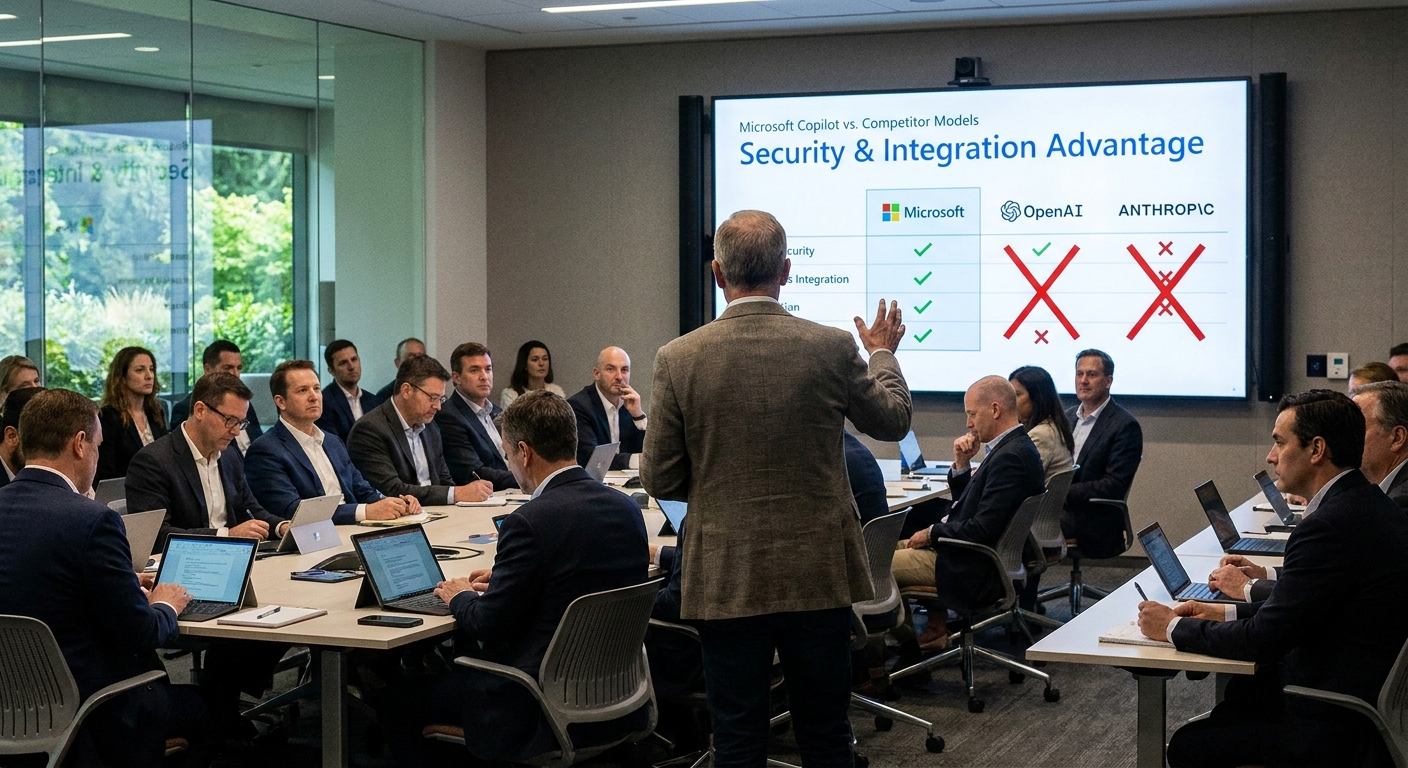
- Microsoft: They’re playing the long game with the Copilot and M365 ecosystem. If you’re already living in Excel and Teams, this is the path of least resistance.
- Atlassian: With Rovo, they’re betting big on automating the messy, cross-functional friction that kills project momentum.
- ClickUp: Their Brain² platform is evolving into a central nervous system for resource allocation and task management.
- OpenAI: They’re focusing on the "brain" of the operation, building agents that can function within flexible, high-level frameworks.
The real game-changer here isn't just the AI—it’s the plumbing. The widespread adoption of the Model Context Protocol (MCP) is finally killing the "integration tax." By standardizing how agents talk to enterprise systems, MCP allows for a modular setup. You can swap agents in and out without needing a team of engineers to rewrite your entire backend.
Bridging the "Enterprise Gap"
We’ve all seen the pilot programs that never actually go live. This is the "enterprise AI agent gap"—the chasm between a cool demo and a reliable, production-grade workflow.
New players are trying to fix this by building for the infrastructure layer first. For instance, GUIDE has launched a new enterprise AI agent solution that runs on AWS, specifically designed to handle the heavy lifting of business process execution. It’s a sign that the market is maturing. As the saying goes, AI agents are winning by selling workflows, not just raw intelligence. Buyers don't care about parameter counts; they care about operational efficiency.
How to Evaluate Your Options
If you’re tasked with picking a platform, stop looking at the marketing fluff. Analysts are currently using a specific set of benchmarks to separate the wheat from the chaff.
| Criterion | Focus Area | Enterprise Requirement |
|---|---|---|
| Integration Depth | API/System Connectivity | Seamless data exchange with CRM/ERP |
| Deployment Complexity | Time-to-Value | Minimal custom coding required |
| Security/Compliance | Data Governance | SOC 2 Type II certification |
| Autonomy Level | Decision-making | Ability to execute multi-step tasks |
Security: The Mandatory Prerequisite
A year ago, security was a checkbox. Today, it’s the gatekeeper. Any agent that doesn’t have SOC 2 Type II certification might as well not exist in the enterprise space.
Because these agents have the keys to the kingdom—the authority to actually perform actions—the demand for audit trails has skyrocketed. Enterprises aren't just asking for security; they’re asking for granular visibility. If an agent moves a million dollars or updates a customer record, the IT department needs to see exactly how and why that happened. If you can’t show your work, you aren’t getting into the enterprise.
What Comes Next?
The line between "software" and "AI agent" is disappearing. In a few years, we won't talk about "installing software"; we’ll talk about "onboarding agents."
We’re moving toward a world of specialized agents—one for supply chain, one for HR, one for financial reporting. By narrowing the scope, these agents become more accurate and more reliable. The goal is to make these tools as invisible and essential as a cloud-based SaaS platform.
The hype is fading, and the real work is starting. The companies that win will be the ones that stop treating AI as a "feature" and start treating it as the engine of their operations. The era of the autonomous enterprise is here, and it’s finally starting to make sense.