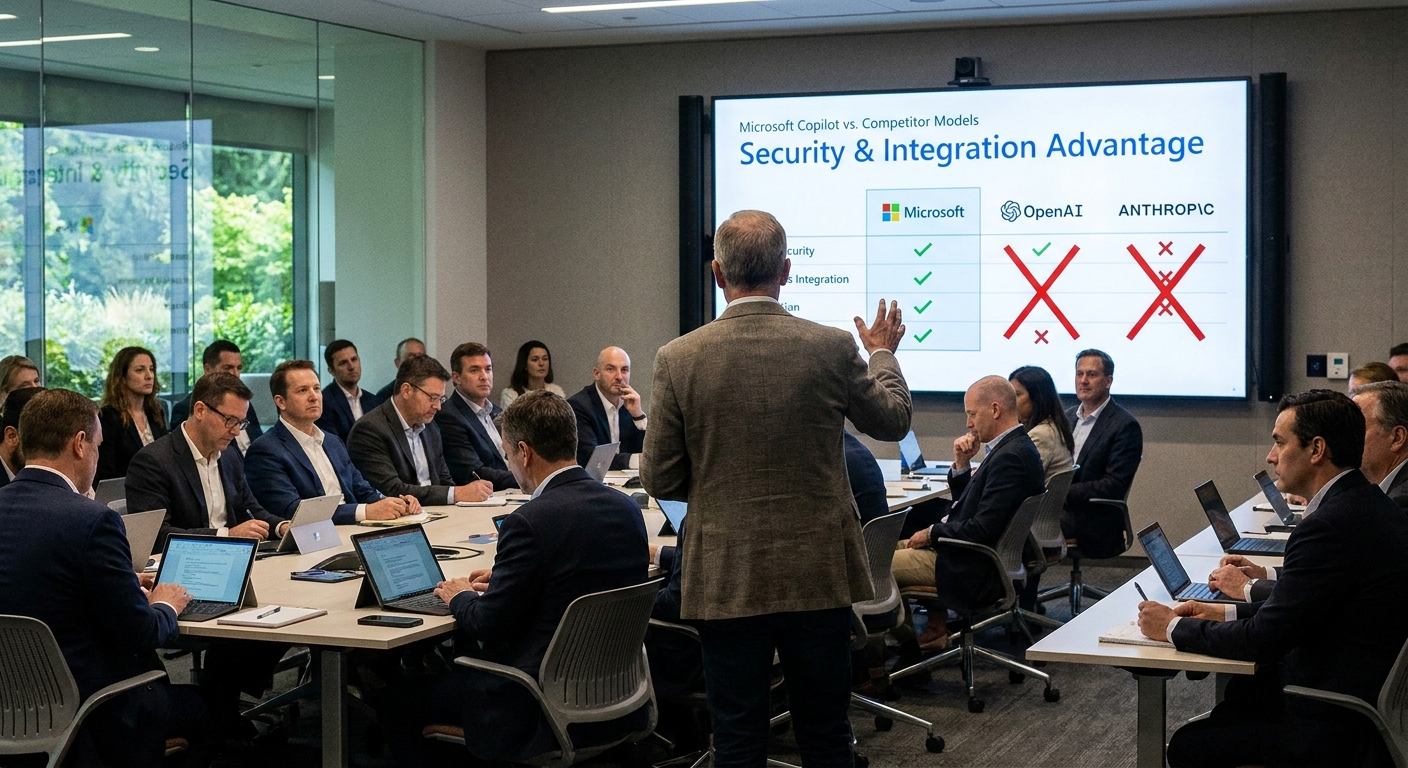
Nasscom Report Highlights Role of Agentic AI in Redefining Intelligent Process Automation by 2026

The latest word from Nasscom signals a sea change in how businesses handle automation. We’re moving past the era of rigid, rule-based scripts and stepping into the age of agentic AI. It’s not just a buzzword; it’s a fundamental rewrite of the enterprise playbook. By 2026, the experimental pilot programs that defined the last year or two will be the backbone of serious, production-grade operations.
Legacy automation was a bit like a train on a track—it could only go where the rails were laid. If something unexpected happened, the system stalled. Agentic AI, however, brings something entirely different to the table: autonomous reasoning, planning, and a digital form of memory. These agents don’t just follow instructions; they interpret messy, multifaceted business scenarios, make context-aware calls, and manage entire workflows across departments without needing a human to hold their hand at every turn. It’s a shift from "do this exactly as I said" to "here is the goal—figure out how to get it done."
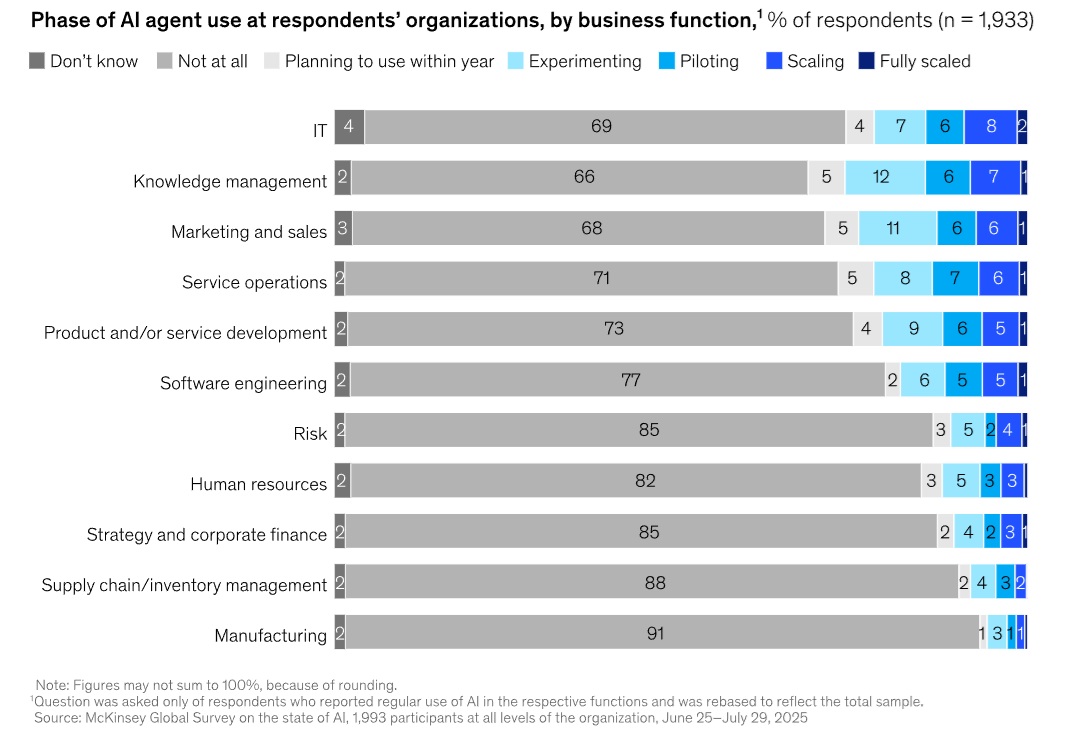
This leap forward, which really started gaining momentum in 2025, is powered by a new breed of reasoning models. We’re talking about the heavy hitters like OpenAI’s o1, Anthropic’s Claude Opus 4a, and Google’s Gemini 3. These aren't just fancy text generators anymore; they are the engines capable of navigating complex, multi-step decision trees. According to data on the dual reality of agentic AI’s 2025 breakthrough, about 24% of Indian enterprises have already put these agents to work, and more than half are planning a full-scale rollout by 2026.
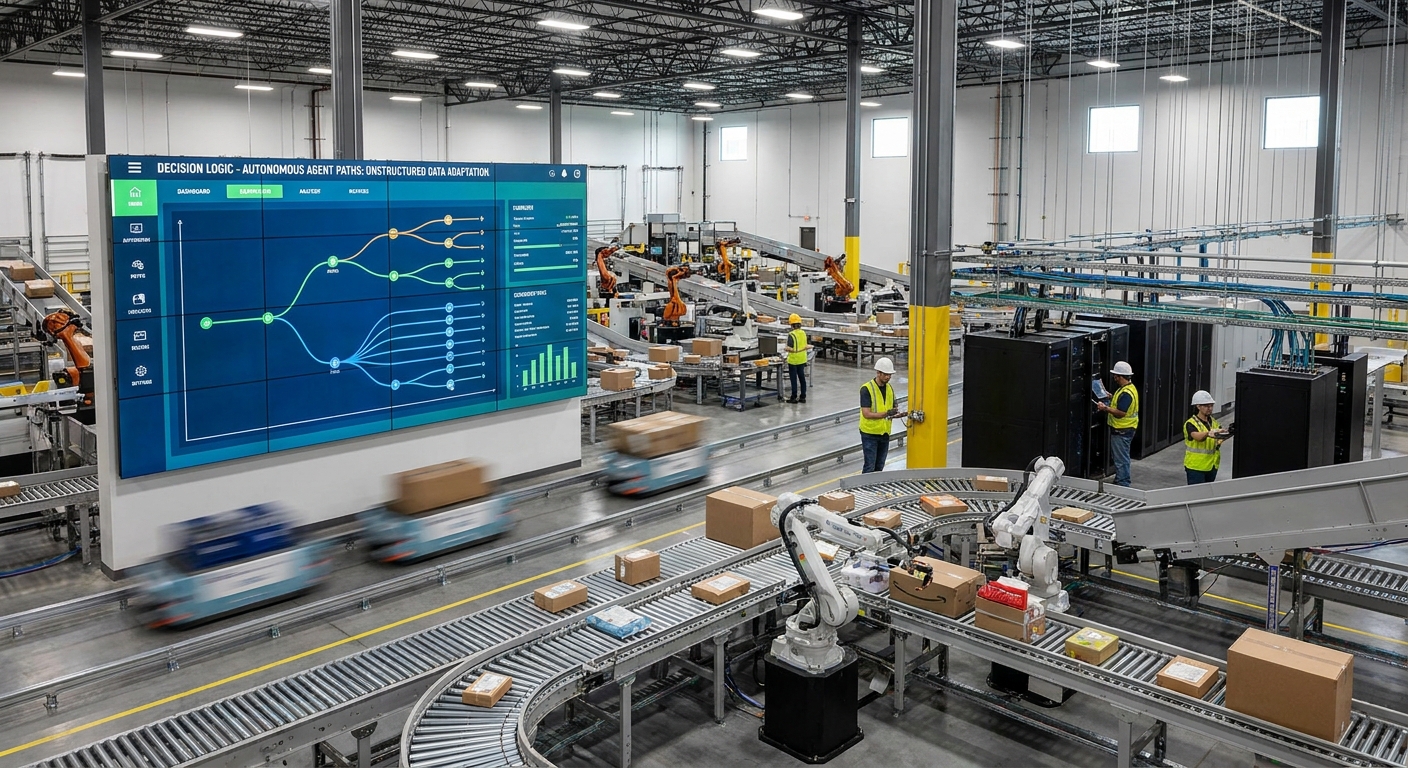
The real magic happens when these agents tackle the chaos of unstructured data. Emails, feedback forms, dense reports—it doesn’t matter. Traditional systems would choke on that kind of variety, but agentic AI thrives on it. It operates in a continuous loop: perceive, reason, act, and learn. If a strategy doesn't yield the right result, the system adjusts. It’s the closest we’ve come to software that actually "thinks" through a problem rather than just executing a static command.
Why the rush to adopt? It’s simple: survival. Companies aren't investing in this because it’s trendy; they’re doing it because they have to. A staggering 83% of firms now treat AI agents as a strategic necessity, not a luxury. Gartner’s projections suggest that by 2028, a full third of all AI use cases will involve these autonomous agents. Right now, the race is on to pull these capabilities out of the sandbox and into the real world.
The Shift in Operational DNA
Moving to agentic AI isn't just an upgrade; it’s a different way of working. Here is how the landscape is changing:
| Capability | Functionality |
|---|---|
| Autonomous Reasoning | Independent processing of complex tasks without rigid, pre-set rules. |
| Multi-step Orchestration | Execution of workflows spanning multiple applications and departments. |
| Continuous Learning | Adaptation of strategies based on past outcomes and real-time data. |
| Contextual Awareness | Ability to interpret both structured and unstructured data inputs. |
As highlighted in research regarding the future of enterprise AI agents, the secret sauce is persistent memory. Unlike old-school IPA that forgets everything the moment a task is finished, these agents remember. They refine their logic with every iteration, getting smarter and more efficient the more they interact with your data.
This shift is also redefining the human role in the office. We are moving away from being "task managers"—watching every click and keystroke—and toward being "goal setters." You define the objective and the constraints; the agent handles the execution, the monitoring, and the inevitable troubleshooting. Of course, this demands a rock-solid data infrastructure. If your data is a mess, your agents will be, too.
Looking toward 2026, the biggest hurdle isn't the technology itself—it’s the legacy baggage. Integrating these agents into old, clunky infrastructure is no small feat. It requires a fundamental change in mindset: stop thinking about "automating tasks" and start thinking about "orchestrating goals."
The adoption rates across banking, telecom, and healthcare tell us that this isn't a distant future; it’s happening right now. For a deeper dive into whether the ecosystem is ready for this, the Aidea of India Outlook 2026 offers a sobering look at the infrastructure requirements needed to support this transition. We are witnessing a milestone in enterprise software. Automation is no longer just a tool sitting on a shelf; it’s becoming an active, intelligent participant in the business itself.