AI’s Impact on Creative Writing Productivity
 Maria Garcia
Updated 4 min readHow we fact-check
Today I want to talk about how AI is changing the game of creative writing. You might have heard of some AI tools that can help you write better, faster, and more creatively. But do you know how they work and what they can do for you? Let me tell you more. AI stands for artificial intelligence, which means machines that can perform tasks that normally require human intelligence, such as understanding language, recognizing images, and making decisions. AI writing tools use a type of AI called generative AI, which can create new content based on existing data. For example, an AI writing tool can generate text based on previous words or sentences, or images based on words describing them. Generative AI can already do a lot. It can produce text and images, spanning blog posts, program code, poetry, and artwork. The software uses complex machine learning models to predict the next word based on previous word sequences, or the next image based on words describing previous images. Some examples of generative AI writing tools are DeepL Write, Sudowrite, Canva's AI Text Generator, and AI Writing Generator. These tools can help you with various aspects of creative writing, such as:
- Brainstorming ideas: You can use generative AI to come up with new topics, titles, headlines, slogans via an AI Slogan Generator, or keywords for your writing projects. You can also use it to generate outlines or summaries of your main points.
- Organizing your thoughts: You can use generative AI to structure your writing in a logical and coherent way. You can also use it to generate transitions, introductions, conclusions, or subheadings for your paragraphs.
- Improving your style: You can use generative AI to enhance your writing with more vocabulary, grammar, punctuation, tone, and voice. You can also use it to rephrase your sentences or paragraphs in a more creative or engaging way.
- Expressing nuances: You can use generative AI to convey subtle meanings or emotions in your writing. You can also use it to generate metaphors, similes, analogies, or jokes that can spice up your writing.
Generative AI is not perfect though. It still has some limitations and challenges, such as:
- Quality: Generative AI can sometimes produce content that is inaccurate, irrelevant, repetitive, or nonsensical. It can also make mistakes in spelling, grammar, syntax, or logic. You still need to proofread and edit your writing before publishing it.
- Originality: Generative AI can sometimes produce content that is plagiarized, copied, or derivative from existing sources. It can also lack creativity or personality in its writing. You still need to add your own voice and perspective to your writing to make it unique and authentic.
- Ethics: Generative AI can sometimes produce content that is harmful, offensive, biased, or misleading. It can also violate intellectual property rights or privacy laws. You still need to be responsible and respectful in your writing and follow ethical guidelines and standards.
So what does this mean for creative writers? Well, generative AI is not a threat or a replacement for human writers. It is a tool and a partner that can help you write better, faster, and more creatively. It can augment your skills and abilities and enhance your productivity and quality. It can also inspire you and challenge you to learn new things and explore new possibilities. But generative AI is not a magic solution either. It is not a substitute for human creativity or intelligence. It is not a shortcut or a cheat that can do everything for you. It still requires your input and output and depends on your goals and preferences. The bottom line is: generative AI is changing the game of creative writing by offering new opportunities and challenges for writers. How you use it and what you make of it is up to you. Happy writing!
Related reading
- Influence of Artificial Intelligence on Digital Marketing
- Enhancing Clarity and Focus: Benefits of Using Summarizers in Writing
- Artificial Intelligence in Education
- Top 11 Creative Tools in 2025 for Effortless Video, Animation & Design Projects
- Content Creation & Marketing: How AI Software is Redefining the Creative Process
- Easy Ways to Write a Novel Using AI Tools
Related Articles
 AI business research tools3 Best AI Writing Tools for Business Research Compared: Logicballs vs Jasper vs Copy.aiStruggling to choose the right AI? We compare the top 10 AI tools for business research, including Logicballs, Jasper, and Copy.ai to boost your productivity.Ankit Agarwal10 min read
 AI book writing toolsRecommended AI Tools for Book WritingDiscover the top AI tools that can revolutionize your book writing process. From outlining to editing, find the perfect AI companion for every stage of your writing journey.Govind Kumar8 min read
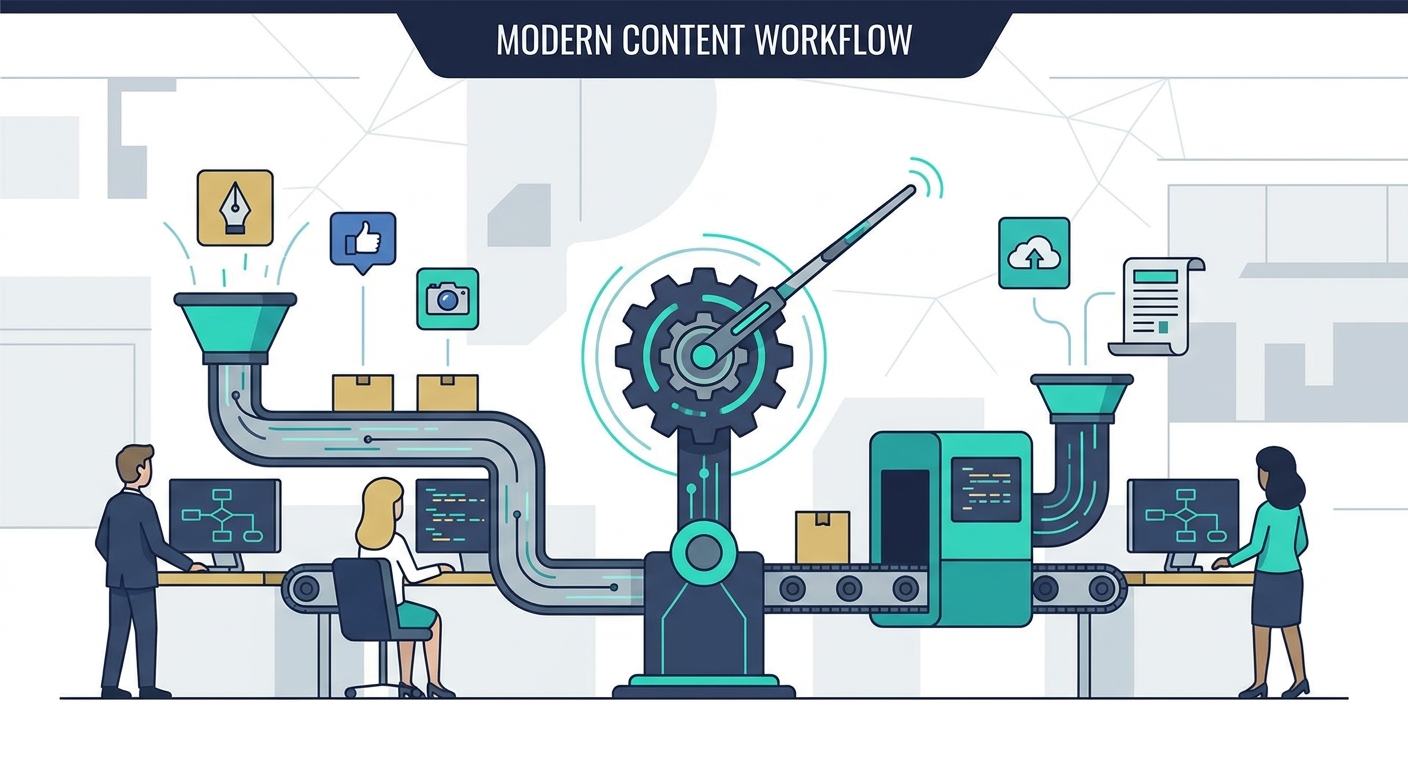 automate content creationHow to Automate Content Creation: A Step-by-Step Workflow for TeamsStop manual drafting. Learn to build an agentic content workflow that scales production velocity while keeping your brand voice human and strategic.Ankit Agarwal7 min read
 AI content generation5 Ways to Use AI Content Generation to Save 20+ Hours a WeekStop wasting time on repetitive writing. Discover 5 practical ways to use AI content generation to streamline your workflow and save 20+ hours every single week.Ankit Agarwal6 min read