Defining the Relationship Between Artificial Intelligence and IoT

TL;DR
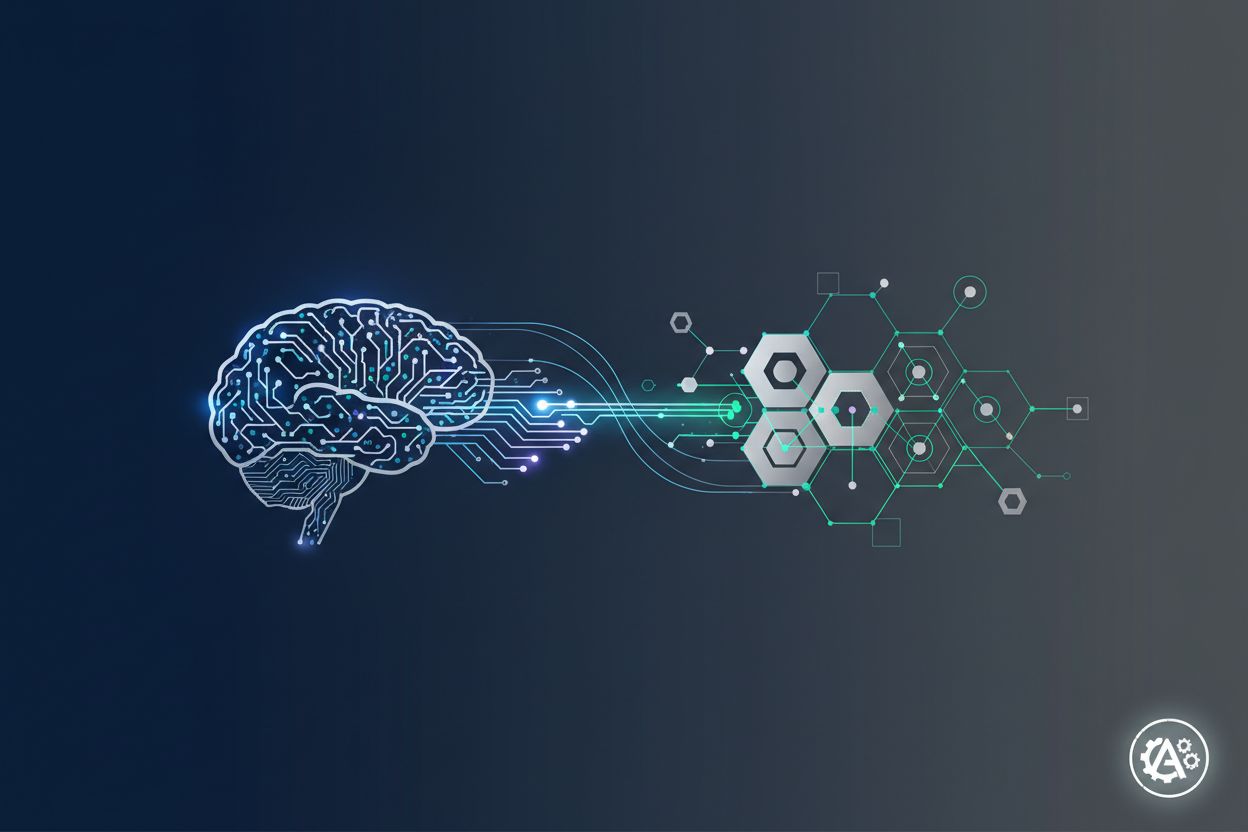
- This article covers the synergy between Artificial Intelligence (AI) and the Internet of Things (IoT) – exploring how AI enhances IoT devices with intelligent decision-making, data processing, and automation. It outlines real-world applications, benefits, and challenges of integrating these technologies, it also highlights the increasing importance of aiot in various industries.
Understanding the Basics: AI and IoT
Okay, so, AI and IoT, huh? It feels like everyone's throwing these terms around, but what do they actually mean? Let's break it down, nice and easy.
Think of ai as giving machines the ability to "think" like humans. It's not about robots taking over the world (yet!), but more about teaching computers to:
- Learn: Spot patterns in data and improve over time, like a spam filter getting better at catching junk mail. Decoding the Trio: Understanding the Differences between AI, ML, and IoT gives a good overview of how machine learning fits in here.
- Reason: Make decisions based on the data they have. For example, figuring out the best route for a delivery truck.
- Solve Problems: Tackle complex issues, like diagnosing diseases from medical images or optimizing energy consumption in a building.
iot, on the other hand, is all about connecting devices to the internet, letting them gather and share data. Imagine your fridge ordering milk when you're running low, or sensors on a factory floor predicting when a machine needs maintenance.
- Think smart sensors tracking environmental conditions, like temperature and humidity, in real-time.
- Consider wearable devices like smartwatches that collect health data (heart rate, sleep patterns, etc.).
- Don't forget smart home appliances – lights, thermostats, security systems – that you can control remotely.
According to Talking IoT, this combo is reshaping the digital world. And honestly, it's kinda wild to think about where it's headed next. William B. notes that smaller, smarter ai models are making this even more effective. Why smaller models? Well, they're often more efficient, needing less power and processing grunt, which is perfect for those little sensors or devices out in the field. They can run faster on less powerful hardware, meaning quicker responses and less strain on your network.
Next up, we'll dive into how these two technologies work together.
The Synergy: How AI Enhances IoT
Ever wonder how your smart devices seem to know what you want before you even ask? It's all thanks to the awesome combo of ai and iot working together. It's more than just convenience; it's about making things smarter and more efficient.
So, how does ai make iot better, exactly? Here's the gist:
- Data Overload? No Problem: ai algorithms can crunch massive amounts of data from iot devices. (What Happens When IoT Meets AI and Big Data?) Think sensors in a factory spitting out gigabytes of info every day. Ai finds the important patterns and anomalies, so you don't have to sift through the noise.
- Predictive Power: ai can predict when a machine might fail, preventing costly downtime. Pretty cool, right? A 2025 prediction, according to Arun Kumar is that edge device platforms are going to continue to evolve rapidly, meeting the increasing demands of ai and ml. (The Road Ahead for IT in 2025 and Beyond - LinkedIn) This evolution is happening because ai and ml need more processing power and faster data handling, especially at the "edge" – meaning closer to where the data is generated.
- Autonomous Actions: ai enables iot devices to make decisions on their own. Imagine a smart thermostat adjusting the temperature based on your habits, without you even lifting a finger.
Like, okay, but where we seeing this in action?
- In healthcare, wearable devices powered by ai can monitor patients' vital signs and alert doctors to potential problems before they become emergencies. (The Emergence of AI-Based Wearable Sensors for Digital Health ...)
- In retail, ai-powered cameras can track customer behavior in stores, helping retailers optimize store layouts and product placement.

All of this means things get done faster, more efficiently, and with less human intervention. Next, we'll look at how this integration is applied in real-world scenarios.
Real-World Applications of AI and IoT Integration
Okay, so, you're probably wondering where ai and iot are actually making a difference, right? It's not just buzzwords, trust me.
- Smart Homes are Getting Smarter: Think beyond just turning on lights with your voice. ai learns your routines and adjusts things automatically. For example, your thermostat learns when you are home, adjusting the temperature to save energy when you're not. This is a prime example of automation – the ai analyzes your patterns from the iot thermostat and then automatically adjusts settings.
- Healthcare is Getting a Boost: Wearable devices aren't just tracking steps anymore. They're monitoring vital signs and using ai to predict potential health issues before they become emergencies. Again, the wearable device (iot) collects data, and the ai analyzes it to automate alerts or suggest actions.
- Factories are Getting a Makeover: ai and iot are making manufacturing way more efficient. Predictive maintenance, where ai anticipates when machines will fail, is a game-changer. The iot sensors on the machines feed data to the ai, which then automates maintenance schedules or alerts to prevent breakdowns.

These are just a few examples, and honestly, the possibilities are pretty endless. As william b. notes, smaller ai models are only going to make this combo even more effective.
Next up, we'll dive into the benefits and challenges of this powerful AIoT combination.
Benefits and Challenges of AIoT
Okay, so, aiot's got some cool upsides, but let's be real—it ain't all sunshine.
Benefits:
- Enhanced Efficiency and Productivity: By automating tasks and optimizing processes, AIoT can significantly boost how much gets done and how well. Think of smart factories running smoother or logistics being optimized in real-time.
- Improved Decision-Making: With AI analyzing the vast amounts of data from IoT devices, businesses and individuals can make more informed, data-driven decisions. This leads to better outcomes, whether it's in healthcare, finance, or everyday life.
- Cost Savings: While initial investment can be high, AIoT can lead to long-term savings through optimized resource usage, reduced waste, predictive maintenance (avoiding costly breakdowns), and increased automation.
- Better User Experiences: From personalized recommendations to seamless smart home automation, AIoT can create more intuitive and convenient experiences for users.
Challenges:
- Data Privacy Concerns: The sheer volume of data collected by IoT devices, often personal or sensitive, raises significant privacy issues. Ensuring this data is protected and used ethically is a major hurdle.
- Security Vulnerabilities: A connected world is a vulnerable world. The more devices we connect, the more potential entry points there are for cyberattacks. Securing these complex networks and devices is a constant battle.
- Ethical Considerations: As AI becomes more autonomous, questions arise about accountability, bias in algorithms, and the potential for job displacement. We need to ensure AIoT is developed and deployed responsibly.
- Cost of Implementation and Integration: Setting up AIoT systems can be expensive, requiring significant investment in hardware, software, infrastructure, and skilled personnel. Integrating new systems with existing ones can also be complex and time-consuming.
- Complexity and Management: Managing a vast network of interconnected devices and AI systems can be incredibly complex, requiring specialized expertise and robust management tools.
What's next? The future of AIoT.
The Future of AI and IoT: AIoT
The ai and iot combo? It's not just a trend; it's kinda becoming the backbone of, well, everything. So, where's it all headed, and what should you keep your eye on?
- Edge Computing's Rise: As mentioned earlier, processing data closer to the source (on the device itself) is a big deal. This cuts down on latency and makes things faster, which is crucial for real-time applications. Smaller, smarter ai models are perfect for this edge computing environment.
- 5G and Beyond: With faster speeds and lower latency, 5G makes it easier to connect tons of iot devices and transmit data without a hitch. Think smart city applications, where everything from traffic lights to security cameras are connected and communicating.
- AI-Driven Cybersecurity: As more devices get connected, the risk of cyberattacks increases. ai can help detect and respond to threats in real-time, keeping those networks secure.
- Explainable AI (XAI): This is gaining traction, and for good reason. People want to know why an ai made a certain decision, especially in critical applications like healthcare or finance. XAI helps build trust and allows for better debugging and regulatory compliance. For example, in a medical diagnosis scenario, understanding why an AI flagged a certain condition is vital for a doctor to confirm the diagnosis and explain it to the patient.
- Smart Cities: These are becoming a reality, with ai and iot working together to improve everything from traffic flow to energy efficiency.
- Autonomous Vehicles: Wouldn't be possible without ai and iot. These vehicles rely on sensors, data analysis, and ai algorithms to navigate roads safely.
- Precision Agriculture: Using sensors and ai to optimize crop yields and reduce waste. Farmers can monitor soil conditions, weather patterns, and plant health in real-time, making data-driven decisions about irrigation, fertilization, and pest control.
- Personalized Healthcare: Another area where ai and iot are making a big impact. Wearable devices can monitor patients' vital signs and alert doctors to potential problems before they become serious.
So, yeah, aiot is here to stay, and it's only going to get more integrated into our lives. Keeping an eye on these trends could really pay off, you know?