Pollo AI Launches New API Integrating Over 300 Visual Models for Enterprise Workflow Automation


If you’ve spent any time building with generative AI lately, you know the drill: you pick a model, you write the integration, you deal with the API quirks, and then—three weeks later—a better model drops, and you’re back to square one. It’s a cycle of technical debt that’s been eating up engineering hours across the industry.
Pollo AI is trying to put an end to that. As of early July 2026, they’ve officially rolled out the Pollo API, a unified gateway that stitches together more than 300 different video and image models under a single endpoint. No more juggling a dozen different SDKs or rewriting your backend every time a new model architecture hits the scene. You build once, and you swap models as the market evolves.
Taming the Generative Wild West
The sheer volume of generative models hitting the market is a double-edged sword. On one hand, we have more creative power than ever; on the other, we’re drowning in fragmentation. Developers are constantly forced to choose between specialized tools, often tethering their entire application to a single provider’s ecosystem.
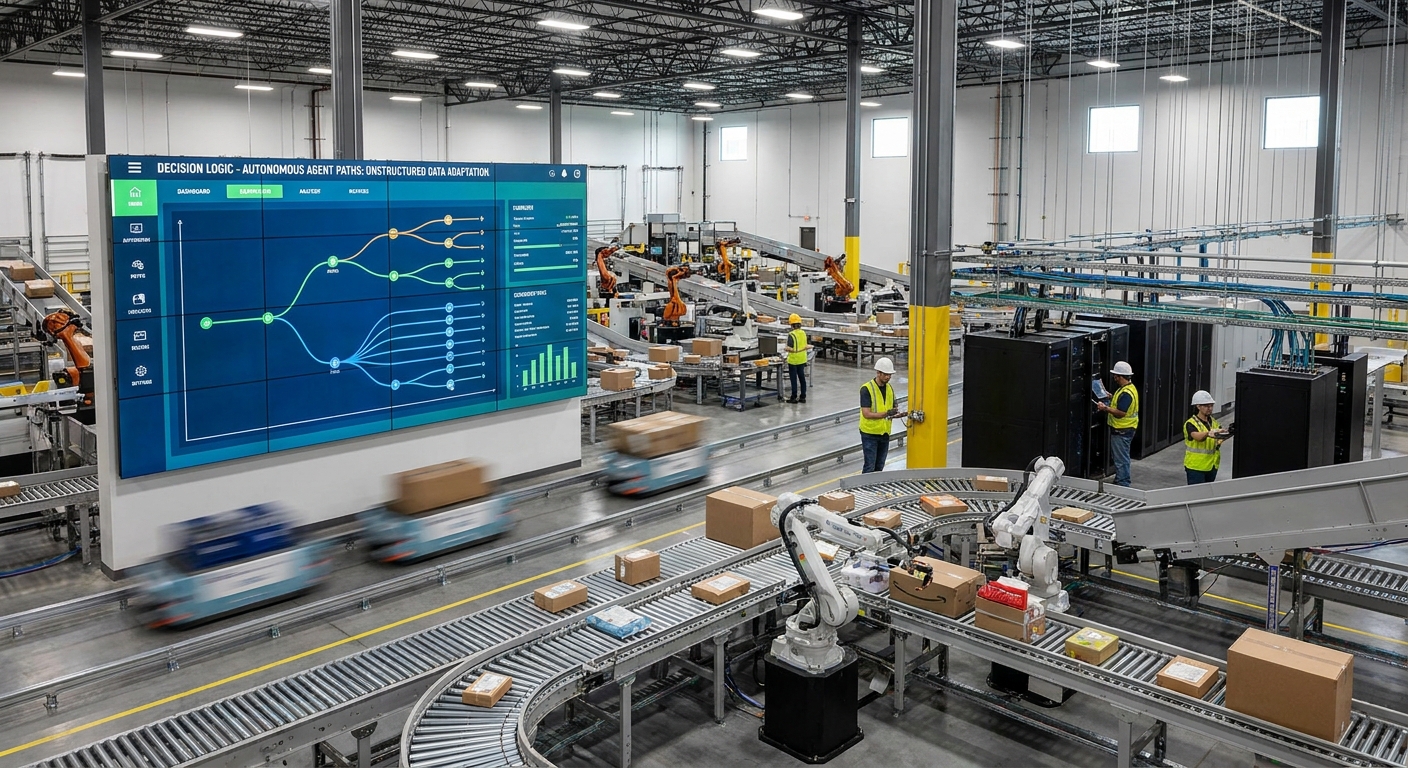
The Pollo API is essentially a middleware layer designed to abstract that messiness away. By standardizing the input and output formats for a massive library of visual models, Pollo lets teams treat their AI stack like a modular component rather than a rigid dependency. Whether you’re a solo dev hacking on a side project or an enterprise team managing complex production pipelines, the goal is the same: stop fighting the infrastructure and start building the product.
The platform handles the heavy lifting, supporting everything from basic text-to-image synthesis to complex video enhancement and specialized visual effects. The real magic? You can chain these tasks together. Imagine starting with a high-fidelity image generation and piping it directly into a video synthesis model without ever leaving the Pollo environment. It’s fluid, it’s fast, and it finally makes "model-agnostic" development a reality.
Under the Hood: What’s in the Box?
Pollo isn’t just a wrapper; it’s a curated library. They’ve brought in a wide range of architectures, from heavy-hitters to lightweight, rapid-response models. Here’s a look at some of the heavy hitters currently supported:
- Veo 3.1: The go-to for high-fidelity video rendering and cinematic output.
- Kling 3.0: A powerhouse for motion synthesis, specifically when you need temporal consistency that doesn't flicker.
- Pollo 2.0: Their proprietary engine, tuned specifically for enterprise-grade throughput.
- Nano Banana: When you need a quick prototype and don’t want to burn through compute credits on a massive model.
- GPT Image: The standard-bearer for reliable, text-to-image synthesis.
To keep things running smoothly in production, they’ve baked in a suite of developer-focused tools that feel like they were built by someone who has actually had to debug a production pipeline at 3:00 AM.
| Feature | Description |
|---|---|
| Unified Endpoint | One gateway, 300+ models. No more SDK fatigue. |
| Task Management | Asynchronous processing for those long-running video renders. |
| Monitoring | Real-time status polling and deep-dive logs. |
| Event Handling | Webhook support so your app knows exactly when a job is done. |
Pricing That Actually Makes Sense
Let’s be honest: cloud AI pricing is usually a nightmare of hidden fees and opaque "credits." Pollo is taking a refreshingly boring approach here: direct, USD-based pricing.
You pay for what you use, and the costs are tied directly to the specific model you’re hitting. For example, if you’re running their Pollo 2.0 engine, it’s $0.06 per second of generation time. It’s predictable. It’s transparent. For a CFO trying to forecast compute costs for an AI-driven product, that kind of clarity is worth its weight in gold. It turns AI from a "variable cost black hole" into a line item you can actually budget for.
The Big Picture
The Pollo API launch is a clear signal that the generative AI market is maturing. We’re moving past the "look what this cool demo can do" phase and into the "how do we actually build a business on this" phase.
As noted in the daily AI brief, the industry is thirsty for consolidation. Developers are tired of reinventing the wheel every time a new model architecture arrives. By providing a stable, reliable interface that abstracts the underlying complexity, Pollo is positioning itself as the connective tissue for the next generation of visual applications.
For the developers in the trenches, this is a win. It means less time spent wrestling with API documentation and more time focusing on the creative application of the tech. Whether you’re building a video editing suite, an automated marketing platform, or just experimenting with new ways to generate high-fidelity assets, the ability to swap models on the fly—without rewriting your codebase—is a massive competitive advantage.
As the platform grows, the real test will be how they handle the inevitable influx of new models. But for now, they’ve solved the most pressing problem: the friction of integration. And in the fast-moving world of generative AI, friction is the enemy of progress.