Midjourney Maintains Market Leadership in Generative AI Benchmarks for Professional Image Synthesis and Integration
generative AI enterprise adoptionprofessional AI image synthesisMidjourney v7 featuresAI brand consistency toolsgenerative AI workflow automation


Midjourney Still Holds the Crown in Professional AI Image Synthesis
Midjourney has quietly—and then quite loudly—cemented itself as the heavyweight champion of generative AI. While the market is flooded with tools that promise the moon, Midjourney consistently delivers the kind of cinematic composition and artistic nuance that actually makes a professional double-take. It’s no longer just a Discord-based hobbyist playground; it has evolved into a robust, web-first engine that concept artists, filmmakers, and marketing teams are integrating into their daily production pipelines.
The secret sauce? It’s the platform’s uncanny ability to balance "I know what you mean" prompt interpretation with the kind of granular, technical control that pros demand. Whether it’s character consistency or style referencing, Midjourney has moved beyond the "neat trick" phase and into the "production-ready" era. With the rollout of version 7 and beyond, the engine has finally cracked the code on text rendering and generation speed, making it a legitimate workhorse rather than just a toy for prompt-smiths.
From Discord to Dashboard: The Professional Pivot
The move to a dedicated web interface was the smartest thing they could have done. It shifted the platform from a chaotic chat room into a legitimate creative studio. For a professional, organization matters. You need to manage assets, track iterations, and keep projects clean.
But the real magic happens in the parameters. If you’re just typing a sentence and hitting enter, you’re barely scratching the surface. To get results that don't look like generic "AI slop," you have to treat the platform like a high-end camera. As discussed in this strategic guide to AI-generated business visuals, brand consistency is the biggest hurdle in AI, and it’s only solved through disciplined parameter engineering.
Here are the levers you actually need to pull:
- --sref (Style Reference): This is your best friend for brand identity. You can feed it a reference image, and the AI will mimic the aesthetic, ensuring your campaign doesn't look like a patchwork quilt of different styles.
- --cref (Character Reference): Essential for anyone working in narrative design. It keeps your protagonist looking like the same person across fifty different shots.
- --sw (Style Weight): This controls how hard the AI leans into your style reference. Sometimes you want a whisper of a style; sometimes you want a
Related Articles
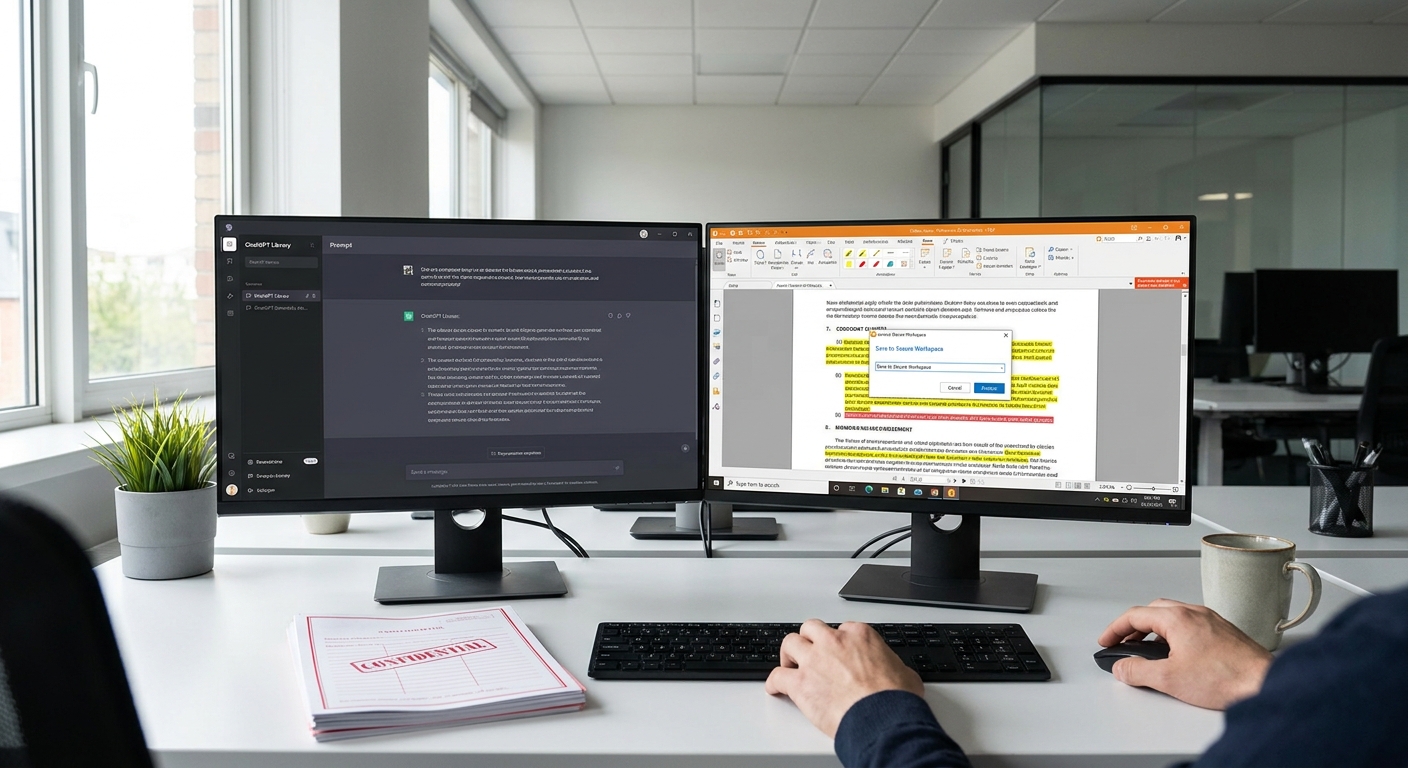 ChatGPT Enterprise PDF editorChatGPT Launches Custom PDF Editor, Signaling Strategic Shift Toward Specialized Enterprise AI Document AutomationOpenAI launches a new PDF toolkit and library for ChatGPT Enterprise, signaling a strategic pivot toward secure, specialized document automation workflows.Deepak Gupta3 min read
 GLM-5.2New Low-Cost Chinese AI Model Challenges Market Dominance of OpenAI and Anthropic Performance BenchmarksBeijing-based GLM-5.2 is disrupting the AI market, offering performance that rivals OpenAI and Anthropic at one-sixth the cost. See why developers are switching.Hitesh Kumar Suthar4 min read
 Pollo AI APIPollo AI Launches New API Integrating Over 300 Visual Models for Enterprise Workflow AutomationPollo AI's new unified API integrates 300+ visual models, enabling enterprise-grade workflow automation and model-agnostic development. Build once, swap anytime.Govind Kumar4 min read
 AI image generator market growthIndexBox Market Report Forecasts Continued Growth for AI Image Generation in Enterprise Content WorkflowsExplore how enterprise adoption of AI image generation is driving a 38.2% CAGR. Learn why businesses are shifting from generic tools to bespoke AI integrations.Govind Kumar4 min read