User Journey Mapping To Get A .com Domain That Converts
user journey mappingdomain name strategychoose a domain namehigh-converting domainbranding tipsdigital marketing strategy

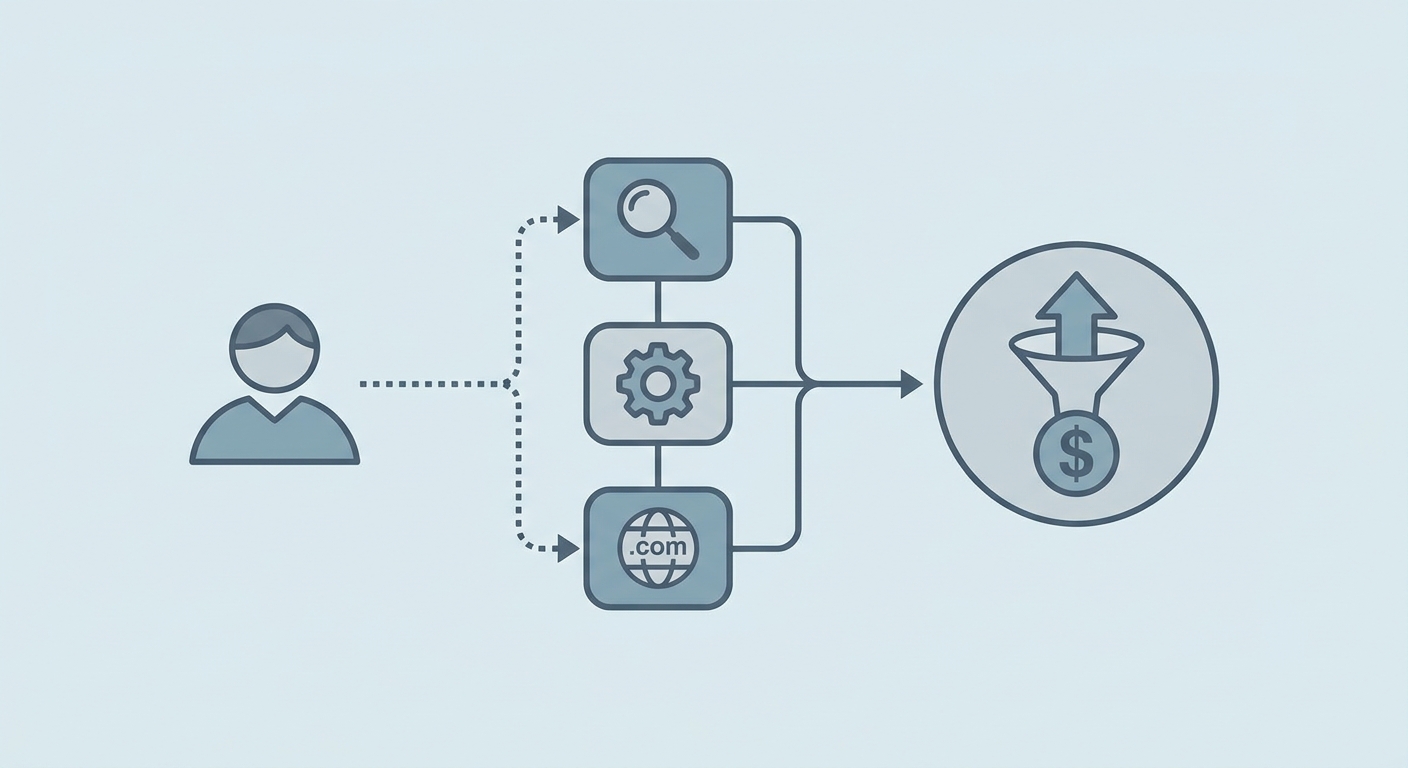
Understanding the journey of your visitors, from the moment they click your link to the time they make a decision, is the sure way to a great website. Companies want to build their websites to optimize for visitors to convert, either through signing up or making a purchase. This process leads to ensuring trust and recognition, which can be supported with a .com domain. By mapping the user journey, you can ensure that each step leads towards your end goal: conversions.
The Need for User Journey Mapping
User journey mapping provides organisations with a visualisation of every stage users go through on the path to conversion. Therefore, it has increased the ability to realise the hindrances and areas that can be improved. Instead of speculating on what users need, teams receive an organized perspective on where they need help and what should be clarified. When you get a .com domain, the journey should be seamless and deliberate (every visit to the site) from the moment action is taken.
Choosing the Right Domain
With a reputation for being credible and trustworthy, people usually trust sites with the .com extension more than others. Survey results get affected by this selection of memorable and relevant addresses, which helps lessen confusion. A domain is the base where the whole online presence sits; therefore, it should resonate with the brand it is aligning with.
Building Trust from the Start
Trust starts as soon as anyone visits a site. And visitors are comforted by that because a .com domain means familiarity, and everyone recognizes a .com domain instantly. Trust motivates users to linger and browse. Conversely, a difficult-to-remember or confusing address can amount to lost opportunities. Having the perfect domain leaves a great first impression and sets the user up for what they can expect.
Guiding Visitors with Clear Navigation
Visitors appreciate clear directions. Intuitive menus, links, and beautiful content help navigate users along the way. Navigational ease is increased when visitors get what they expect, leading to less frustration and greater confidence. Ensure every page you have has a clear step and a connection with the next step in the process. Having a .com domain acts as a reassuring foundation that enforces this process.
Optimizing Each Stage for Conversion
Every phase during the user journey is important. Everything from the landing page to the checkout process must encourage taking action. Elements such as visual cues and persuasive copy, as well as one-click forms or other very easy means of progressing, are important. Fewer steps result in more focus from users and lower drop-offs. That starts with a consistent look, feel, and message across the board, led by a .com top domain, which allows for a seamless experience.
Personalizing the Experience
Personalizing a user’s experience increases engagement and conversions. When websites show content, recommendations, or offers tailored to each individual (based on their past actions) people feel understood and are more likely to interact or buy. If you’re already using personalization, mapping the user’s journey helps identify the best places to add customized elements. Simply having a .com domain creates a sense of trust and familiarity, which makes users more willing to accept personalized suggestions because the site feels “safe” and predictable.
Removing Barriers to Conversion
Challenges can emerge anywhere along the path. Lengthy loading time, a lack of clarity in the call-to-action, or an unnecessarily complex address drives visitors away from achieving their goal. These barriers can be identified and dealt with by reviewing the user path regularly. A recognizable .com domain keeps users on the right track and minimizes the possibility of being steered away from something due to a lack of conviction.
Tracking and Measuring Performance
To know what works and what does not, you must have data. Keeping tabs on visitor actions gives you a real sense of the steps that enable engagement and those that are loss-making. They allow you to fine-tune the user journey, and the same increases results in the long run. If users have to search for the address each time instead of it being a relatively memorable network like a.com, their performance will drop all the more.
Continuously Refining for Lasting Success
Over time, user tastes and expectations change. Refinement and revision once every couple of months will ensure that the journey is purposeful and productive. Feedback needs to be collected and analyzed for trends to guarantee that the experience is aligned with current requirements. This is a constant as the work continues to roll out changes across the rest of the site.
Conclusion
An as-you-go mental model for your user journey is crucial for a clear, descriptive .com domain priming for high conversions. Every component of the journey — from domain selection to navigation, and personalization — can sway whether visitors take the desired action. You can convert a curious visitor into a loyal customer with clarity, trust, and ease of use. As organizations improve the experience over time, they develop a sustainable and positive online presence.
Related reading
Related Articles
 content marketingThe 2026 Landscape: How Artificial Intelligence is Changing Content Marketing ForeverStop using AI for shortcuts. Learn why the 2026 content landscape demands a shift from volume to human-verified expertise to survive the era of AI saturation.Ankit Agarwal8 min read
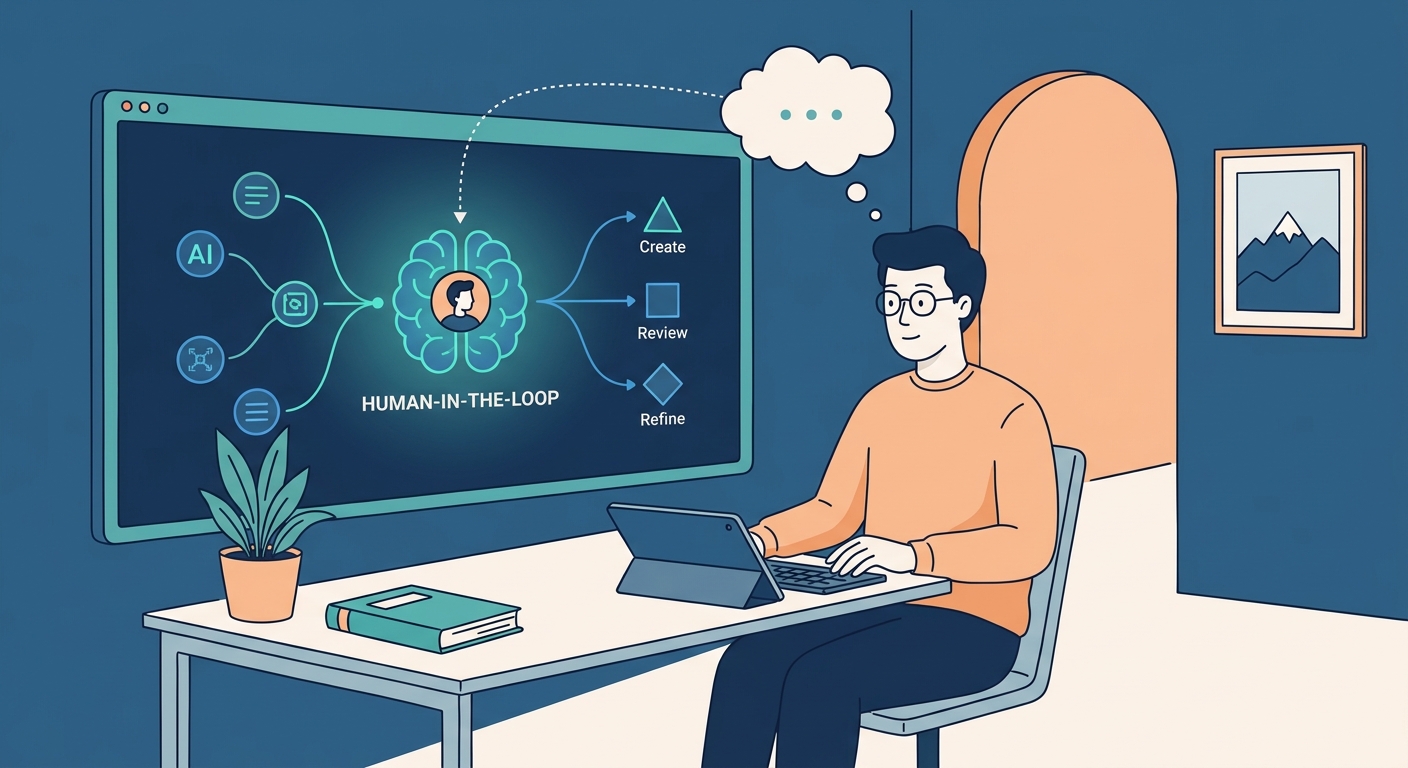 AI content creation softwareHow to Choose the Right AI Content Creation Software for Your Specific NicheStop the AI tool fatigue. Learn how to select the right AI content software for your niche by prioritizing Human-in-the-Loop workflows and consolidated tools.Deepak Gupta7 min read
 AI content calendarBuilding a Content Calendar: From Strategy to Execution with AILearn how to build a content calendar using AI tools for strategy, scheduling, creation, and performance tracking. Streamline your content process and boost your results.Ankit Agarwal7 min read
 Social Media GrowthHow to Get 1000 TikTok Followers Fast (Complete Guide)Learn how to get 1000 TikTok followers fast with proven tips, strategies, and growth hacks. Boost your profile, increase engagement, and grow your TikTok audience quickly.Deepak Gupta6 min read