Staying Ahead of the Curve: Top Online Security Practices for Anyone Growing a Digital Career in 2025

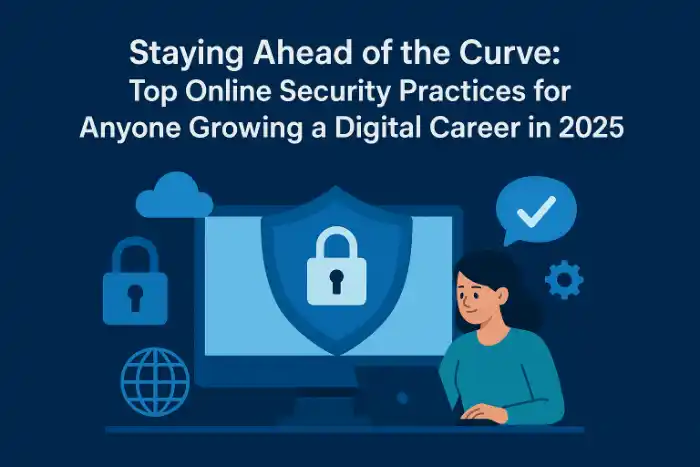
The world of work is fundamentally changing. If you’re building a digital career in 2025, you’ve got access to incredible global opportunities—but you also carry the heavy responsibility of protecting your own professional turf. Your office isn't a locked room anymore; it's everywhere you take your laptop. That means you are the chief security officer of your personal digital enterprise. Ignoring security isn't just risky; it’s a direct threat to your income and reputation.
When you find yourself grabbing a coffee and connecting to that public Wi-Fi spot to quickly upload a file, you need to think about who might be looking over your digital shoulder. Before you open a single work document on that connection, you should seriously consider why you need to download a VPN. A trustworthy virtual private network is like instantly wrapping your entire internet session in a layer of strong, military-grade encryption, creating a secure shield that keeps your client data and personal login details totally hidden from anyone else on that shared, insecure network.
The Absolute Non-Negotiables: Passwords and Access Control
Forget those outdated passwords you’ve been using since college. In today's threat landscape, relying on simple, repetitive passwords is the digital equivalent of leaving your front door wide open. You absolutely must start using a dedicated password manager to generate complex, unique passphrases for every single service, from email to banking to social media and pairing that with basic hygiene like using an email header analyzer to spot suspicious messages can help you catch threats before they escalate.
More importantly, turn on Multi-Factor Authentication (MFA) everywhere it’s offered. MFA requires a second step, usually a code sent to your phone, before granting access. It’s that single step that has saved countless accounts from being hijacked. Whether your ultimate goal is figuring out how to become a digital marketing expert or growing a career in coding, this foundational security step is non-negotiable for proving you are a trustworthy professional.
Securing the Tools of the Trade
Our digital work lives revolve around software—and every piece of software is a potential entry point for a hacker. It’s boring, but it’s vital: keep everything updated. Those little notifications about operating system updates or app patches? They often contain fixes for critical security holes that cybercriminals are actively exploiting. Beyond your own machine, think carefully about where you store your work.
Cloud storage and project management apps are fantastic, but they require discipline. Don't forget to regularly audit those client folders—who exactly has the keys? Always enforce strong permission settings. Think of it this way: your device is just one link in the security chain, so you have to make sure your shared collaboration tools are totally secure, too.
Navigating Automation and AI Safely
The explosion of artificial intelligence has been a game-changer for many careers, especially those focused on efficiency. If you're exploring the best AI tools for sales and marketing teams to boost your productivity, you have to approach every new integration with caution. Every new AI service, chatbot, or automation platform you adopt introduces a potential data risk.
Before you link your accounts or upload sensitive customer information, take the time to read the provider’s privacy policy. Ask yourself: How is this company handling my data? Is it encrypted? Could confidential client data inadvertently be used to train their public model? Maintaining a skeptical and professional distance from unverified tools will protect your professional assets in this fast-moving tech environment.
Security is a Mindset, Not a Checklist
Here’s the thing: security isn't a chore you do once and forget about; it’s a living, breathing part of your job. The bad guys are always changing their tactics, so you really need to make sure you're staying one step ahead. Try setting aside some time every few months—maybe quarterly—to quickly review your setup, check out the latest phishing tricks, and learn about new weak spots. When you make solid security a habit, you aren't just saving your own skin; you're actively showing every client and partner that you are reliable and professional. That commitment is absolutely vital for building a successful, long-term digital career.