Embracing Mobile SEO: How to Optimize Your Site for Mobile-First Indexing
 Ankit AgarwalMarketing Head
Updated 3 min readHow we fact-check
Mobile SEO is the practice of optimizing a website to rank higher in search engine results pages (SERPs) on mobile devices, such as smartphones and tablets. This optimization is crucial as more users access the internet via mobile devices.
Importance of Mobile SEO
Mobile accounts for the majority of Google searches. ANALYSIS — an earlier version of this article gave two precise figures attributed to "a report" and to "Google indicating," neither of which named a source or a date; both have been removed. The trend is growing rapidly, with Google indicating that there are 27.8 billion more queries performed on mobile than desktop. Google is transitioning its entire algorithm to focus on mobile search.

Image courtesy of Backlinko
Google’s Mobile-First Index
Previously, Google used a mix of desktop and mobile results. After Google’s Mobile-first Index ranks search results based solely on the mobile version of a page, irrespective of whether the search is performed on a mobile or desktop device. This shift has major implications for businesses offering a mobile app development service, as mobile usability and performance directly impact search visibility. Previously, Google used a mix of desktop and mobile results.
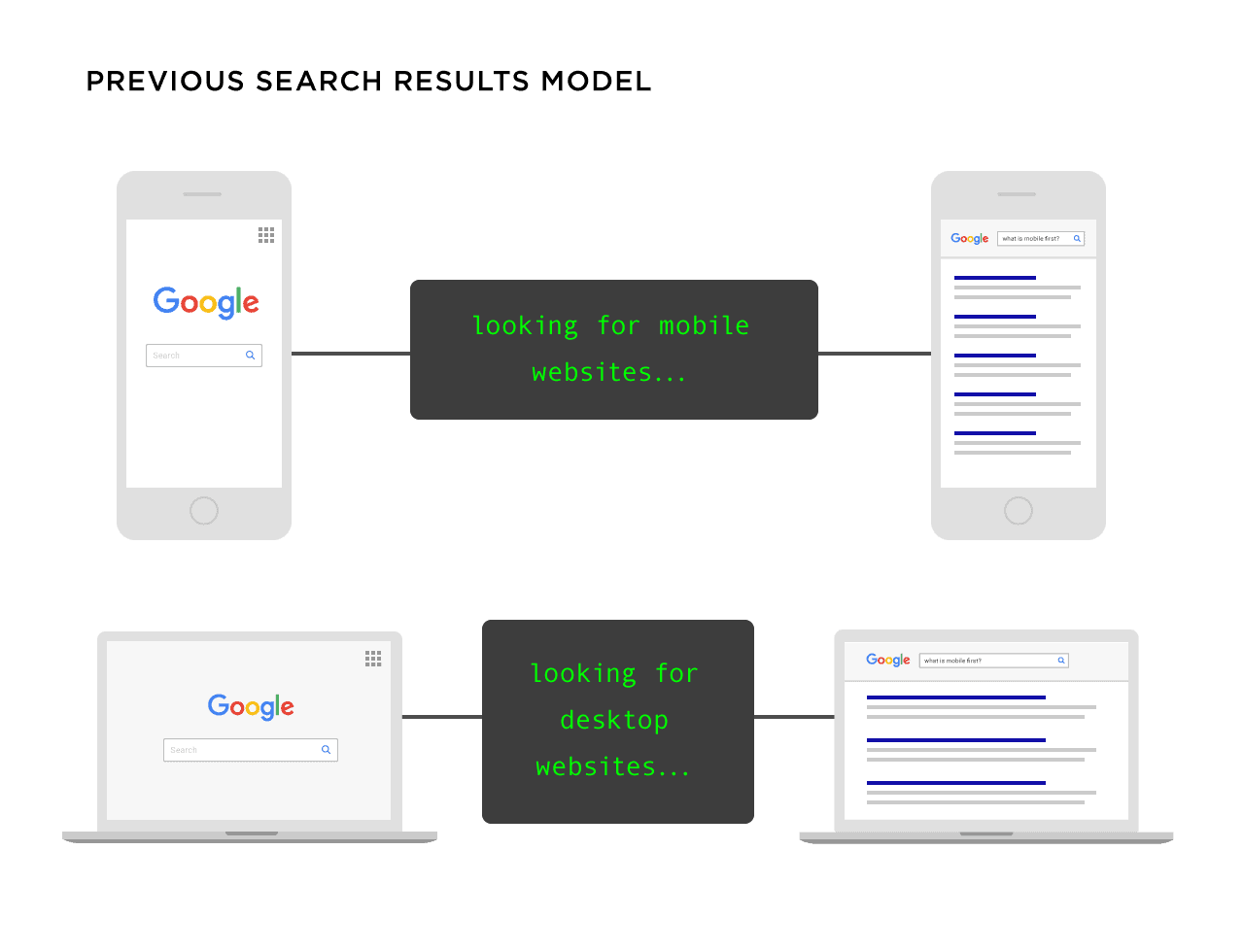
Image courtesy of Backlinko
Mobile Site Configuration Options
There are three primary ways to configure your site for mobile:
- Separate URLs: Also known as an "M." configuration, it involves having a distinct mobile version of your site. This method is less recommended due to management complexities.

Image courtesy of Backlinko
- Dynamic Serving: This method serves the same URL but displays different HTML/CSS depending on the user's device. While better than separate URLs, it still has drawbacks, including potential display issues on new devices.
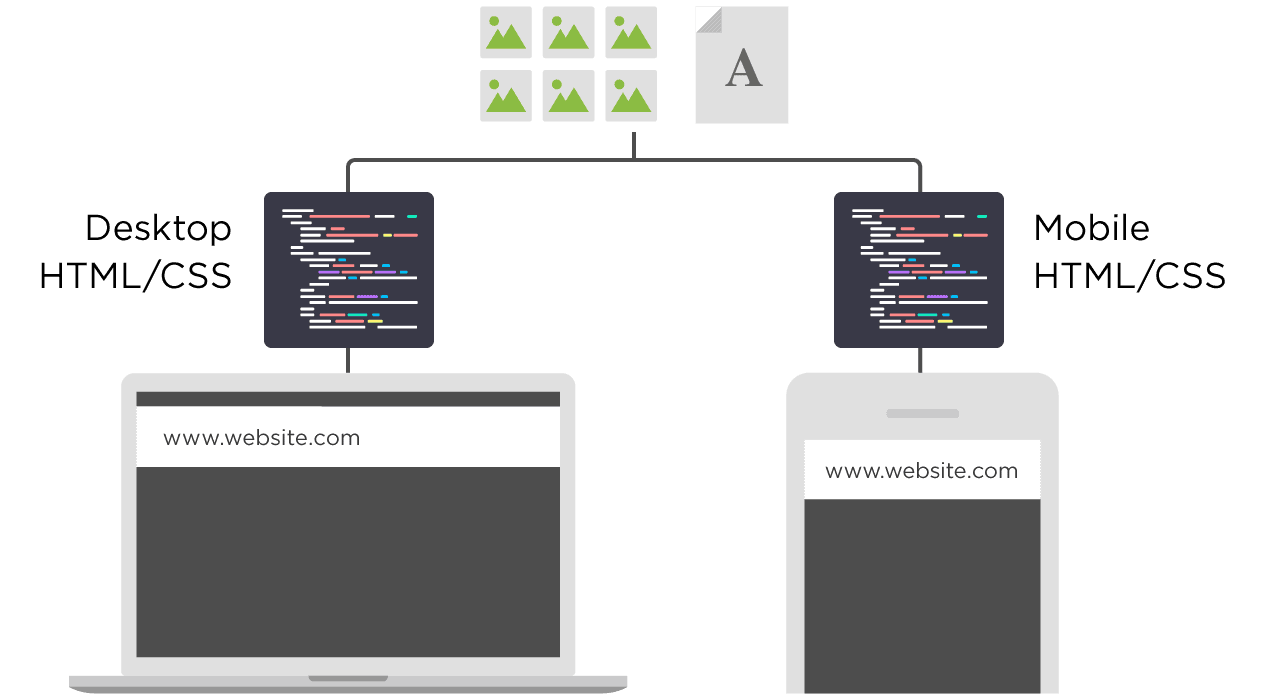
Image courtesy of Backlinko
- Responsive Design: This is the preferred method where the layout and content adjust to the user's device without needing separate URLs.
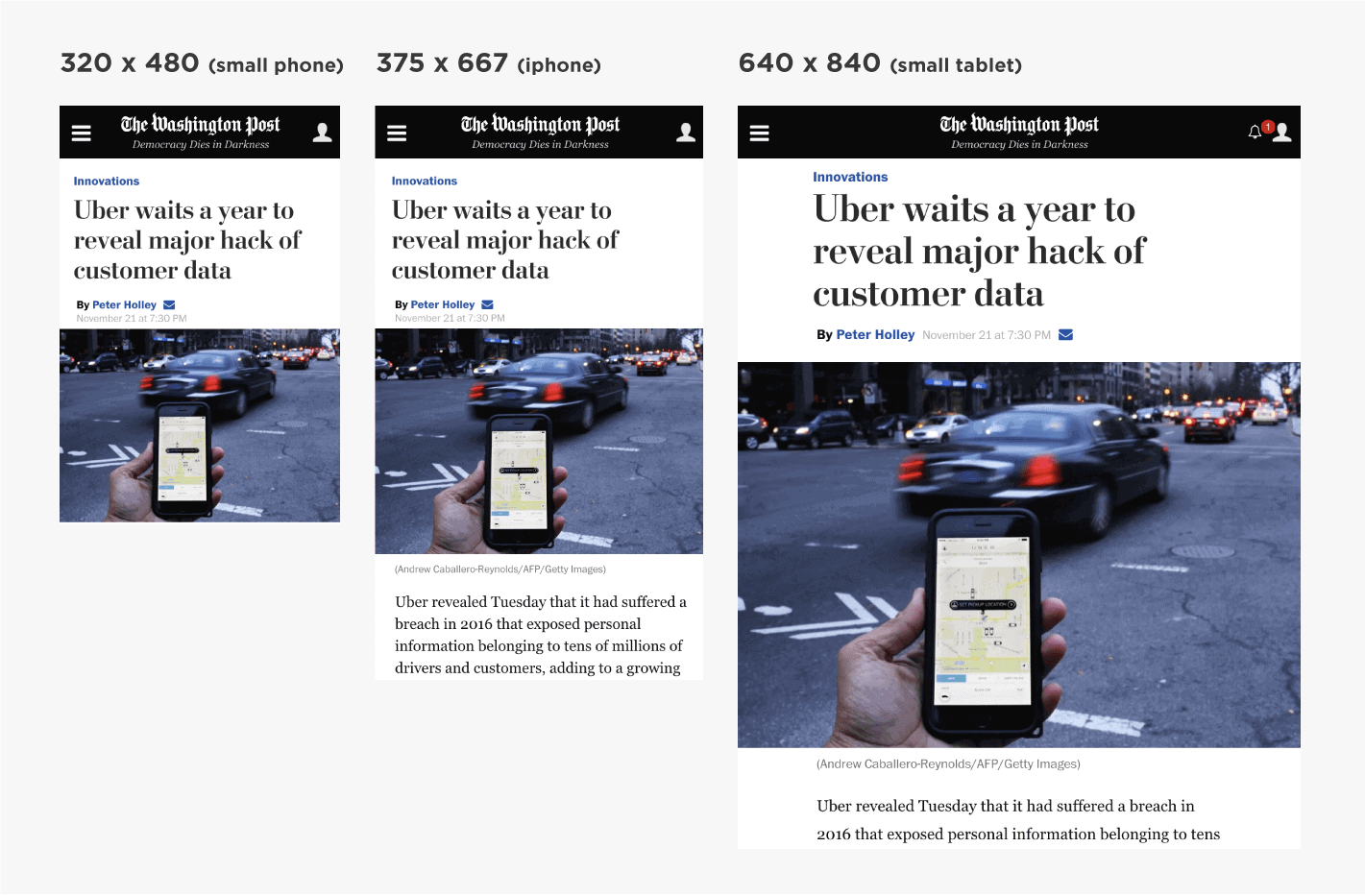
Image courtesy of Backlinko
Best Practices for Mobile SEO
Use Google’s Mobile Usability Test
Utilize tools like Google Search Console to identify mobile usability issues. This tool can indicate if mobile users experience difficulties on your site.
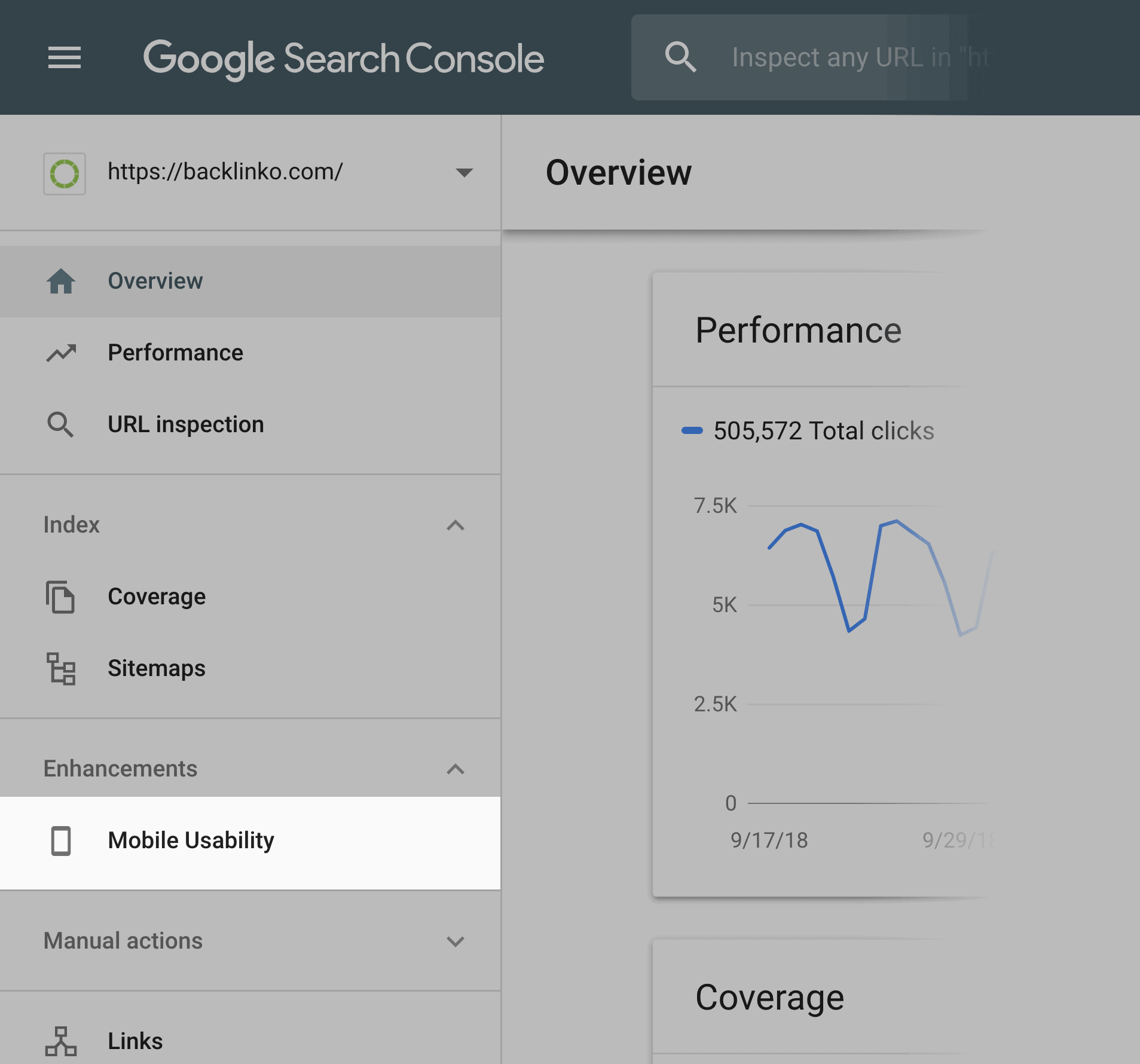
Image courtesy of Backlinko
Allow Full Google Crawling
Ensure that Googlebot can access JavaScript, CSS, and other important resources on your site. If these elements are blocked, it can hinder your site's mobile-friendliness and ranking.
Optimize for User Experience (UX)
User experience is paramount in mobile SEO. Google's RankBrain algorithm assesses how users interact with your site. If users find it frustrating, your rankings may drop.
Improve Page Speed
Page speed is critical, particularly for mobile users. Google's Core Web Vitals threshold is a Largest Contentful Paint of 2.5 seconds or less for a good experience, with 2.5–4.0s counted as needing improvement (web.dev, (retrieved 2026-09-02) SOURCED) ANALYSIS — an earlier version of this article said Google recommends loading in under a second; Google publishes no such recommendation. Tools like Google’s PageSpeed Insights can help you improve loading times.
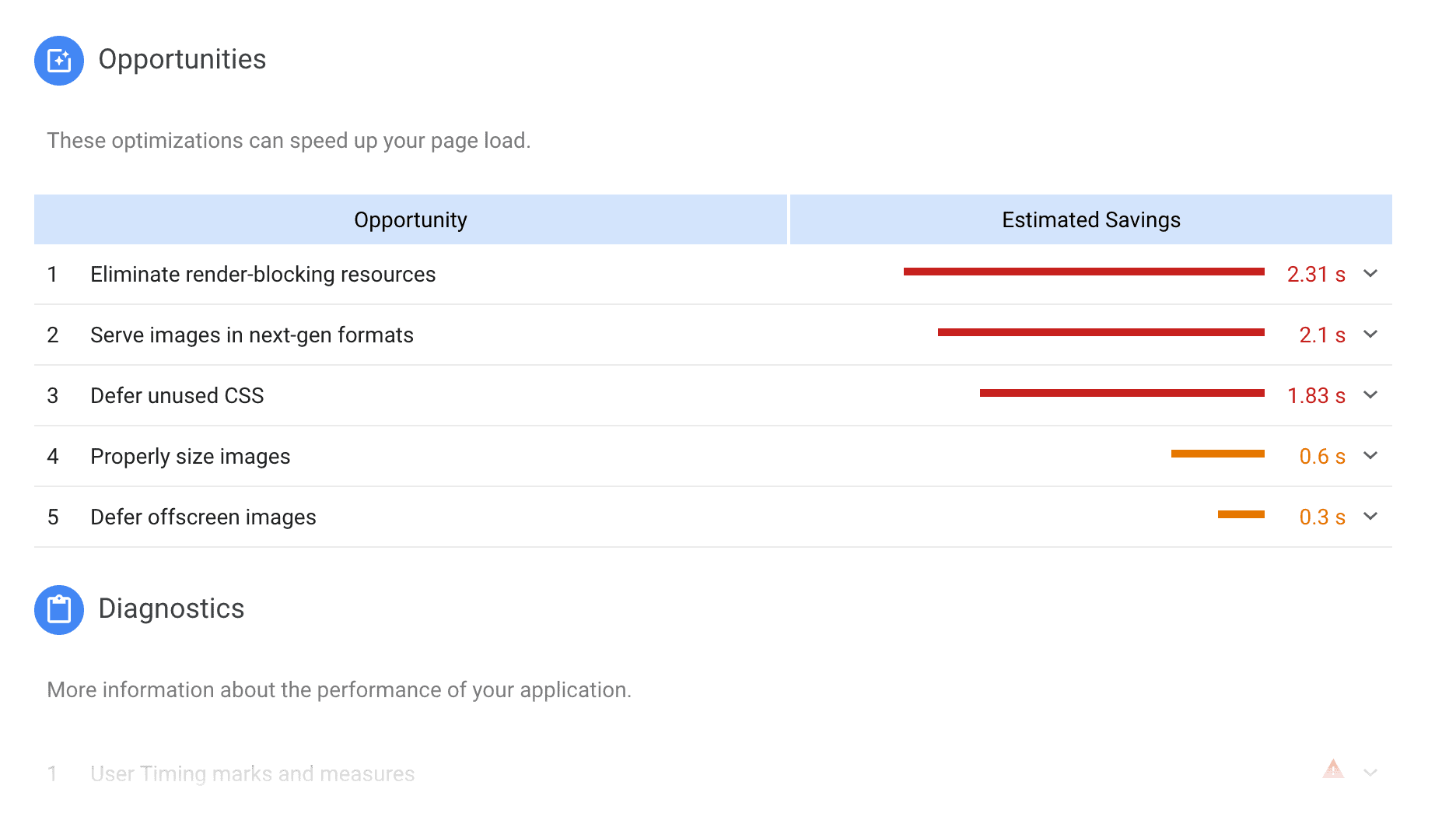
Image courtesy of Backlinko
Advanced Mobile SEO Techniques
These include optimizing click-through rates (CTR), enhancing user engagement, and ensuring your site is mobile-friendly across all devices.
Use Schema Markup
Implementing Schema markup can improve how your site appears in SERPs, especially on mobile devices where space is limited.
LogicBalls: Enhancing Your Mobile SEO Strategy
For freelancers, content creators, and small business owners, LogicBalls offers AI-driven tools designed to enhance your content marketing and SEO strategies. Our platform provides AI writing assistants, content generation tools, and specialized services for various industries, including eCommerce and digital marketing. Explore our offerings at LogicBalls and discover how our solutions can help you create high-quality content and improve your mobile SEO efforts.
Related reading
Related Articles
 AI writing toolsHow to Optimize Existing Content for SEO (2026 Update)Learn how to refresh your old content for 2026 SEO. Use ai writing tools and automation to boost rankings and improve user intent matching.Ankit Agarwal7 min read
- How Poor Site Architecture Tanks Your e-commerce SEO?Boost your e-commerce SEO with expert help. Improve site structure, traffic, and sales by optimizing navigation and architecture.James Smith3 min read
 Manufacturing SEOTechnical SEO Strategies That Work for ManufacturersLearn powerful technical SEO strategies for manufacturers. Improve site structure, speed, indexing, and keyword targeting with AI-driven optimization.Hitesh Kumawat6 min read
 AI link building7 Best Link Building Services for LLM Citations and AI Visibility (2027)Struggling to get your brand cited by AI models? Discover the top 7 link building services to boost your AI visibility and search authority in 2027. Read now.Ankit Agarwal10 min read