New Industry Report Forecasts Autonomous AI Agents Will Redefine Digital Marketing Workflows by 2026


Why 2026 Is the Year Autonomous AI Agents Finally Replace Your To-Do List
If you’re still thinking of AI as a glorified chatbot that helps you draft emails, you’re already behind. We’ve spent the last few years playing with generative tools—the "Phase 1" of the AI revolution. It was fun. It was flashy. It gave us decent copy and some trippy images. But that era is effectively over.
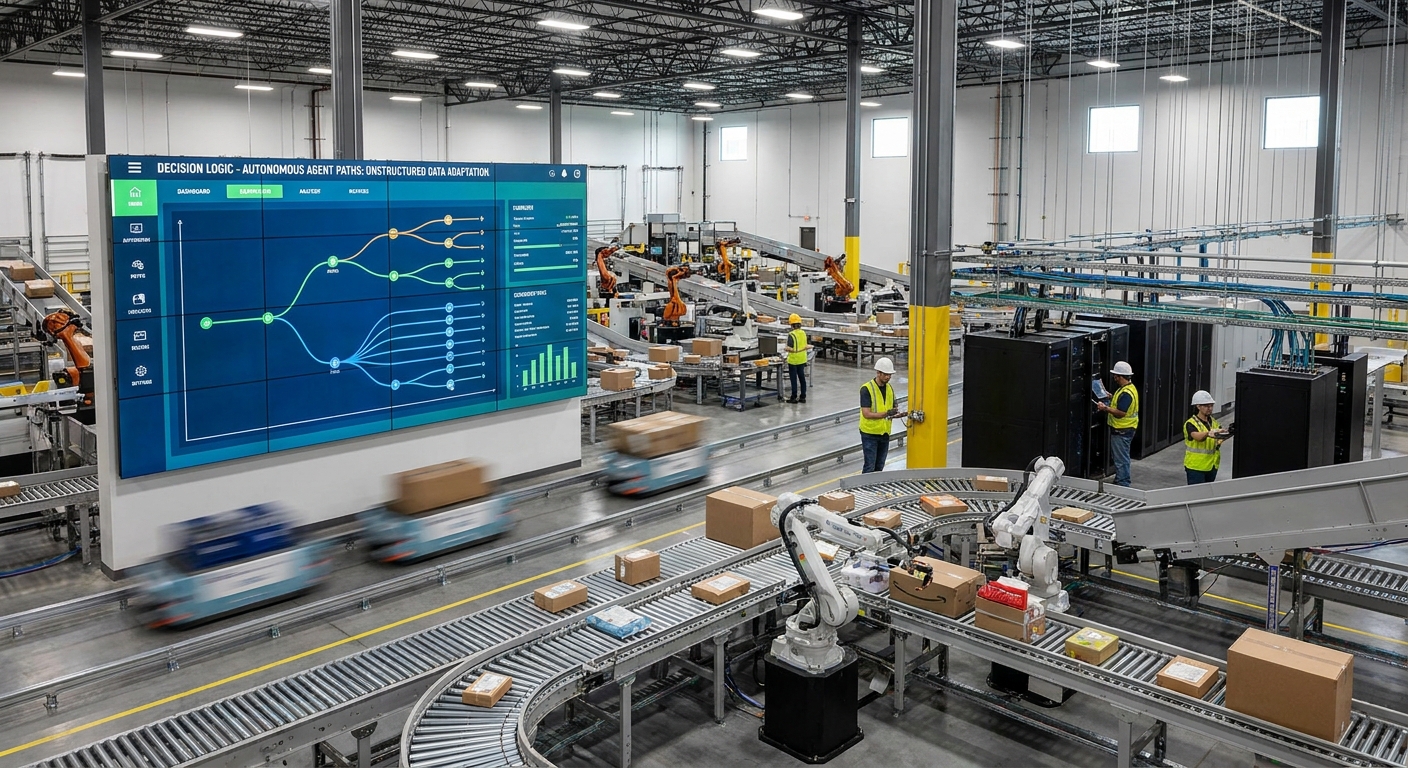
By the time we wrap up 2026, the conversation won't be about what AI can write; it’ll be about what AI can do. We are entering the age of the autonomous agent—systems that don't just wait for a prompt, but actively hunt for outcomes.
The Shift from Generative to Agentic AI
Think of generative AI as a high-end intern. You give it a task, it gives you a draft, and you spend the next twenty minutes fixing it. It’s useful, sure, but it’s still a time sink.
Agentic AI? That’s more like a project manager you don’t have to babysit.
The industry is currently pivoting hard toward systems capable of executing complex, multi-step workflows with almost zero human hand-holding. As the AI agents market is projected to be a significant driver of enterprise productivity by 2026, the focus has shifted from "generating content" to "executing strategy."
We’re talking about software that can identify a bottleneck in your sales funnel, research a solution, update your CRM, and ping the relevant team member—all without you clicking a single button. It’s a structural rethink of how we work. The "prompt-and-edit" cycle is dying; the "set-and-monitor" era is here.

Sales and Marketing: The New Frontier
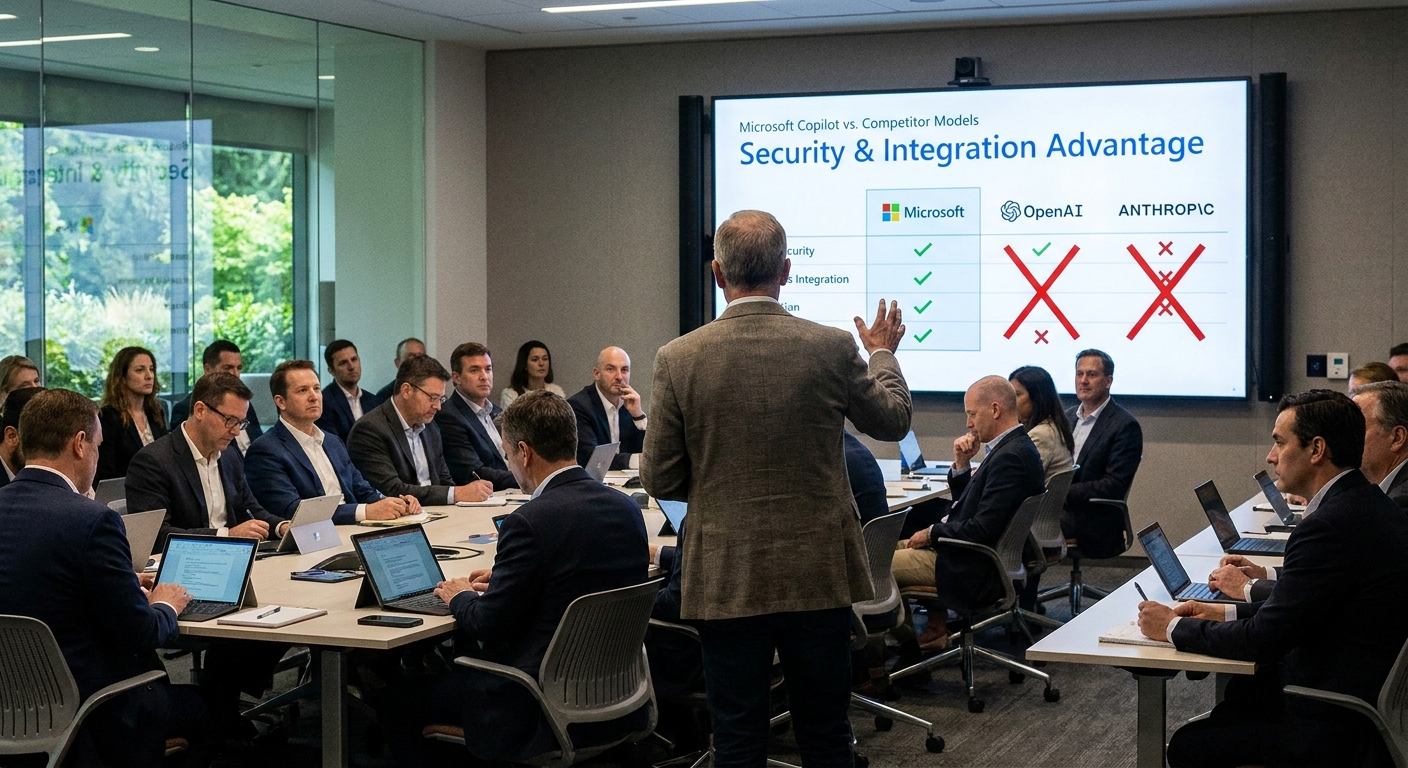
Sales departments are the canary in the coal mine. They’ve always been obsessed with speed and conversion, which makes them the perfect testing ground for agentic tech. The Futurum Group reports that AI agents are taking center stage precisely because the teams that master this automation are the ones that will dominate the market.
If your competitors are using agents to handle lead qualification while your team is still manually sorting spreadsheets, you aren’t just losing time—you’re losing the race.
| Feature | Generative AI (Phase 1) | Agentic AI (Phase 2) |
|---|---|---|
| Primary Function | Content creation | Task execution |
| Human Role | Prompting and editing | Oversight and goal setting |
| Workflow Scope | Single-step tasks | Multi-step processes |
| Decision Making | Human-led | Autonomous |
The "How-To" Problem
Here’s the catch: you can’t just buy a "plug-and-play" autonomous agent and expect it to run your company. This isn't just a software upgrade; it’s a total redesign of your internal plumbing.
When you hand the keys of a workflow to an autonomous system, you’re trading "doing the work" for "governing the work." You need to build guardrails. You need to monitor for drift. You need to ensure that when the AI makes a decision, it’s actually aligned with your bottom line and not just running wild in your data architecture.
It’s a different kind of stress. Instead of worrying about whether your team has enough time to finish a project, you’re worrying about whether your agentic framework is secure and efficient. It’s the difference between driving a car and managing a fleet.
What’s Next?
As we move through the rest of 2026, the experimental phase is officially dead. The companies that are winning are the ones that have stopped treating AI as a novelty and started embedding it into their core operations.
They’re mapping out every repetitive, high-volume process they have and asking, "Does a human really need to touch this?" If the answer is no, the agent takes over.
The definition of a "workflow" is changing beneath our feet. We’re moving toward a world where the human role is increasingly focused on high-level oversight—setting the goals, defining the boundaries, and stepping in only when the system hits a wall.
It’s a massive transition. It’s messy, it’s complicated, and it’s inevitable. By the end of this year, the question won't be "Are you using AI?" It will be "How much of your business is actually autonomous?"
If you aren't already asking that, you're already behind.