Mistral Leads European Ranking of Top 10 AI Companies Shaping 2026 Enterprise Innovation

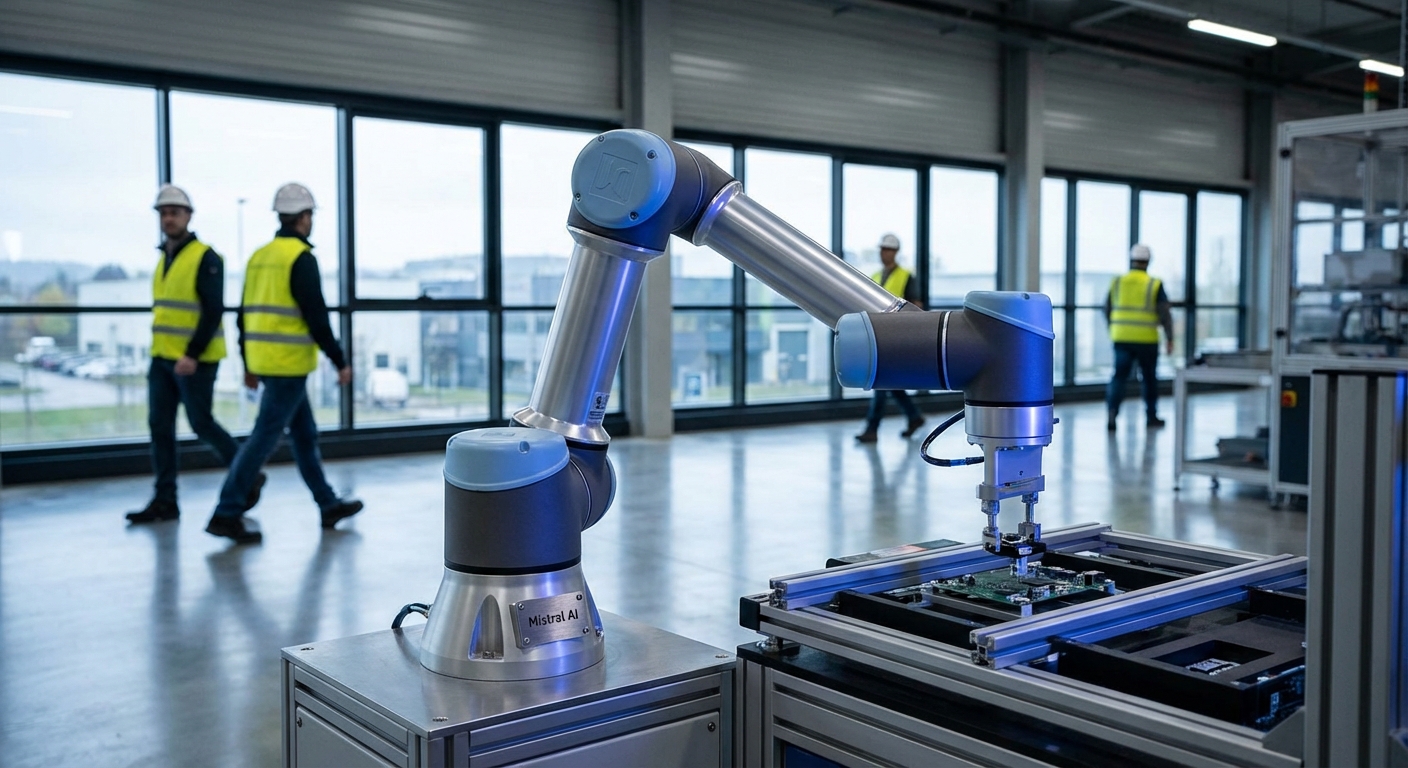
2026 has become the year Europe stopped playing catch-up. For years, the narrative was simple: Silicon Valley builds the tech, and the rest of the world consumes it. But the latest industry rankings tell a different story. Paris-based Mistral has officially claimed the top spot in a new assessment of Europe’s most influential AI firms, and it’s not just a vanity title. This ranking measures something far more practical than hype: the ability to actually move the needle for enterprise-level innovation.
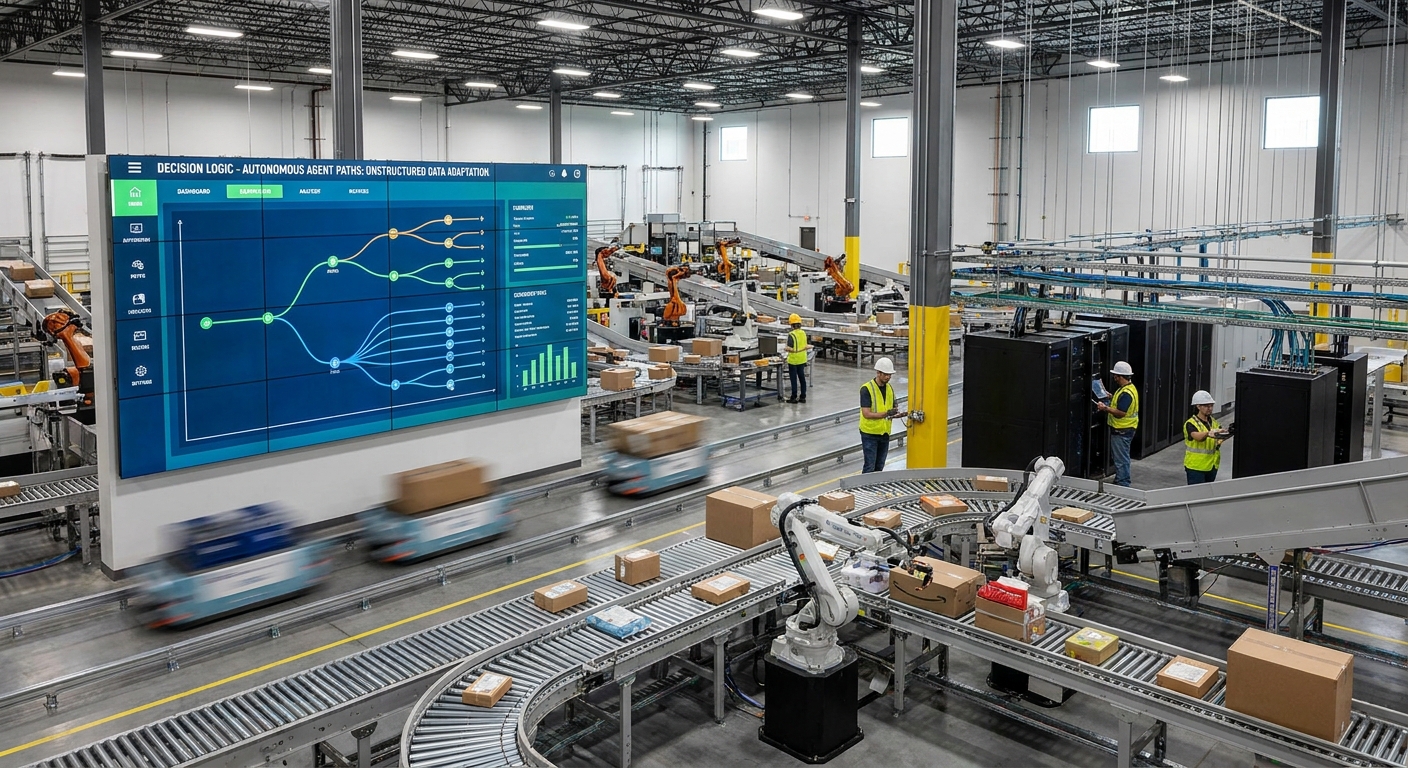
The shift is palpable. We’re moving away from the era of "everything-to-everyone" chatbots and into a period where European companies are proving that specialized, high-performance AI can thrive outside the shadow of the American giants. It’s no longer about who has the most raw compute power; it’s about who can bridge the gap between a research paper and a factory floor.
The Rise of a Competitive European Ecosystem
Mistral’s ascent to the top of the heap isn't an accident. By doubling down on open-weight models and lean, efficient architecture, they’ve given European enterprises a viable off-ramp from the "US-only" infrastructure trap. It’s a strategic play that resonates with businesses tired of being locked into foreign ecosystems. As detailed in this look at how 10 European AI companies are challenging Silicon Valley, the regional tech scene has finally matured.
This isn't just about national pride. It’s about data sovereignty, strict regulatory compliance, and the kind of surgical model tuning that global generalists often ignore. When you look at the top 10 rising AI companies in Europe for 2026, you see a pattern: they are building the plumbing for finance, manufacturing, and logistics—the sectors that actually keep the continent running.

Key Factors Driving 2026 Innovation
Why now? It’s a perfect storm of talent retention, a massive influx of venture capital, and a regulatory environment that—while strict—forces companies to build safer, more reliable products from day one.
| Driver | Impact on Enterprise |
|---|---|
| Model Efficiency | Lower operational costs for large-scale deployment. |
| Data Sovereignty | Compliance with regional privacy mandates. |
| Open Architecture | Increased flexibility for custom enterprise tuning. |
| Industry Specialization | Targeted solutions for manufacturing and finance. |
Beyond the technical specs, the real story is the focus on "vertical-specific" applications. As highlighted in recent insights on AI startups to watch in 2026, the market is tired of general-purpose tools. They want AI that understands the specific complexities of European supply chains or the nuance of regional financial regulations.
Strategic Implications for the Market
Mistral’s leadership position is a signal that European firms are finally gaining the traction they need to compete on a global scale. This isn't happening in a vacuum. It’s the result of years of sustained investment in deep-tech research and a conscious effort to build infrastructure that doesn't rely on non-European cloud providers.
The 2026 landscape is defined by three major shifts:
- Infrastructure Independence: A pivot toward localized server clusters and European-hosted data centers to keep data within borders.
- Collaborative Ecosystems: AI startups are no longer operating as lone wolves; they are forming deep, symbiotic partnerships with legacy industrial giants.
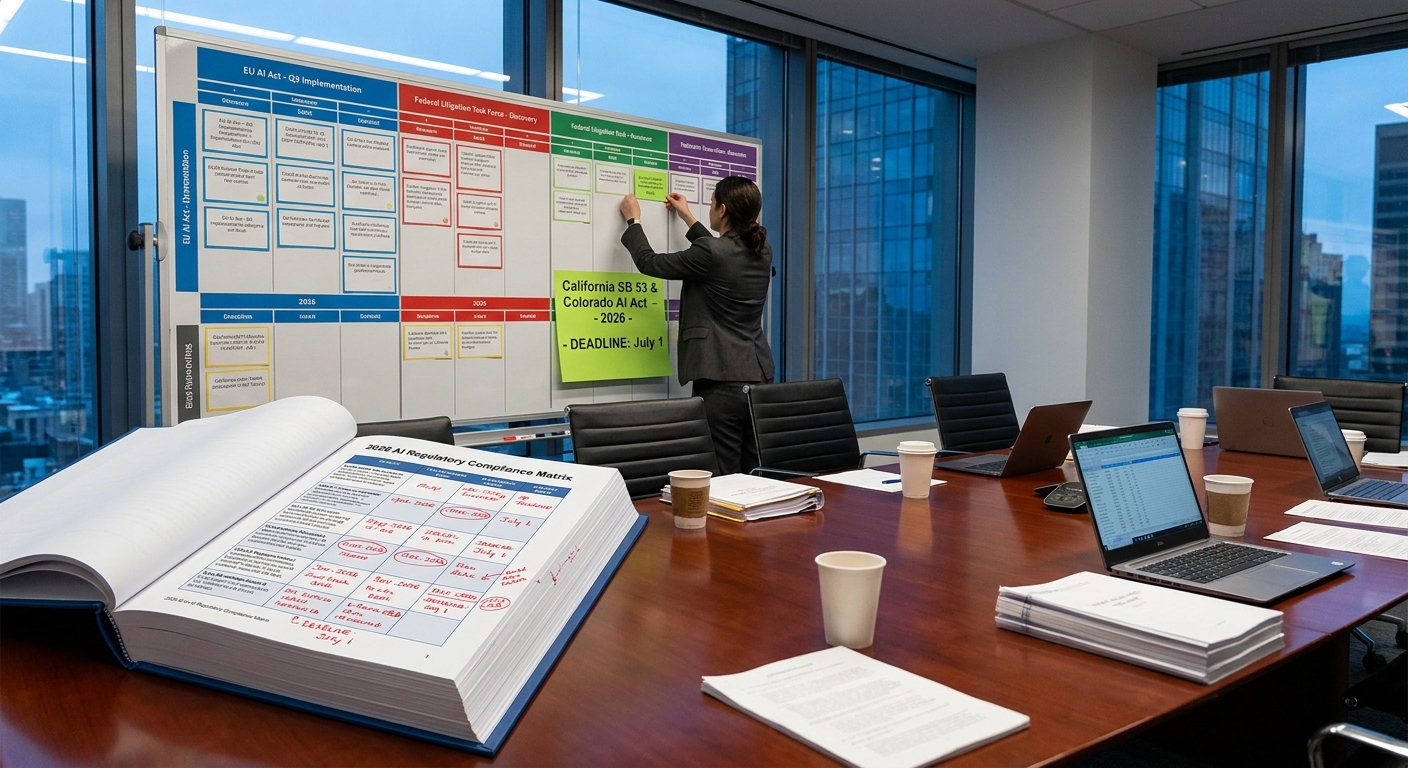
- Regulatory Alignment: Instead of fighting the rules, these companies are baking AI safety and transparency into their development cycles, turning compliance into a competitive advantage.
These aren't just minor adjustments. They are fundamental changes to how the industry operates. Industry bodies, such as those tracking the European Business Magazine Awards, are taking note of these firms because they are doing the one thing that matters most: demonstrating tangible ROI.
As we move through the rest of the year, the big question remains: can these firms keep the momentum going against the deep pockets of their international rivals? The first quarter of 2026 suggests they can. By emphasizing efficiency, security, and specialized utility, the European approach is winning over enterprise decision-makers who are looking for alternatives to the status quo.
The growth of these 10 companies is setting the stage for the rest of the decade. By focusing on high-impact applications and maintaining a razor-sharp edge in model performance, Mistral and its peers are effectively redefining Europe’s role in the global AI economy. We are moving toward a more diversified market—one where regional expertise and local compliance aren't just hurdles, but the very foundation of the next generation of enterprise AI.