ByteDance Implements IP Safeguards for CapCut AI to Address Evolving Content Security Standards

ByteDance Tightens the Reins: CapCut’s New AI Security Measures
ByteDance is finally plugging the holes in its AI ship. The company just dropped its latest video generation model, Dreamina Seedance 2.0, into the CapCut ecosystem, but it’s not just about flashy new features. This rollout is a defensive play, designed to wrap the tool in a layer of intellectual property (IP) armor before it hits the global stage.
For months, creative industries have been breathing down the necks of AI developers, demanding better protection against unauthorized likenesses and stolen IP. ByteDance is clearly listening. By integrating a suite of technical safeguards, they’re trying to prove that their AI can play nice with copyright law—or at least, that it can be forced to.
This marks a pivot for the ByteDance ecosystem. We’re moving away from the "Wild West" era of generative media and into a period of verification and accountability. By leaning on industry-standard protocols, the company is aiming to neutralize the risks that come with letting users conjure up famous actors or copyrighted characters out of thin air. As noted in recent reports on the ByteDance AI video generation model Dreamina Seedance 2.0, this is a "safety-first" strategy, prioritizing compliance over raw, unbridled creative power.
Locking Down the Infrastructure
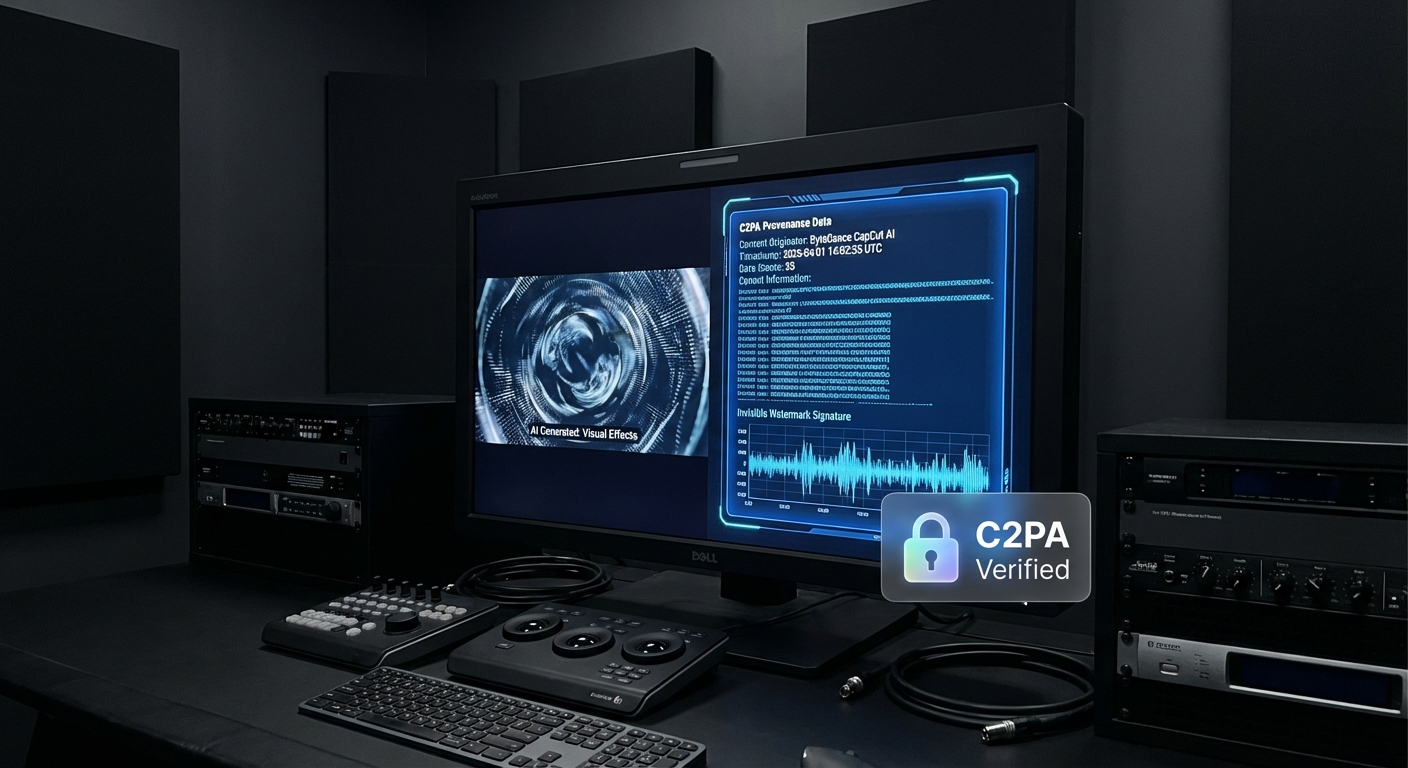
So, how does it actually work? The heart of the Seedance 2.0 update is a multi-layered security framework. ByteDance has committed to the Coalition for Content Provenance and Authenticity (C2PA) watermarking standard. Think of it as a digital fingerprint that refuses to wash off. Even if a user compresses, crops, or edits the hell out of a video, the metadata stays attached, marking it as AI-generated. It’s a direct nod to the concerns raised by Hollywood studios who are tired of seeing their intellectual property mangled by algorithms.
But ByteDance didn’t just rely on their own engineers to check the locks. They brought in third-party red teams to try and break the system. These teams spent their time hunting for vulnerabilities—essentially trying to trick the AI into generating prohibited content or bypassing IP filters. The result? A series of automated, real-time monitors that kill prompts the second they smell a copyright violation. If you’re trying to generate a protected character, the system is designed to slam the door shut.
The Staged Rollout: What’s Actually Happening?
Don't expect to see the full suite of tools everywhere just yet. ByteDance is playing this smart, keeping the rollout staged and controlled. Currently, the model is live in Brazil, Indonesia, Malaysia, Mexico, the Philippines, Thailand, and Vietnam. Users there get the full buffet—text-to-video, image-to-video, and that slick audio-video synchronization—but they’re playing by some very specific house rules.
The limitations are clear:
- Geographic Reach: If you aren't in the initial launch markets, you're still waiting.
- Short-Form Focus: AI clips are capped at 15 seconds. No long-form deepfakes here.
- Format Constraints: You get six aspect ratios, keeping everything optimized for social media feeds.
- The "No-Go" Zone: Real human faces and copyrighted IP are strictly off-limits.
- Invisible Tags: Every single frame carries that persistent, invisible watermark.
If you prefer the quick breakdown, here is how the safety architecture stacks up:
| Feature | Implementation Detail |
|---|---|
| Watermarking | C2PA-compliant invisible digital signature |
| IP Protection | Automated prompt filtering and red-team vetted blocks |
| Identity Safety | Explicit prohibition on generating real human faces |
| Monitoring | Proactive, platform-wide IP violation detection |
The Bigger Picture: Why Now?
The push to bolster Seedance 2.0 watermarking and IP safeguards isn't just about avoiding lawsuits; it's about survival. Every major tech firm is currently scrambling to align their AI tools with the shifting legal landscape. Regulators and creative unions are watching these models like hawks. By baking these controls into the foundation of Seedance 2.0, ByteDance is betting that proactive compliance is the only way to keep their tools relevant in the long run.
When launching Dreamina Seedance 2.0, the company had to walk a tightrope. They need to keep users happy with high-performance creative tools, but they can't afford to be the platform that gets shut down for copyright infringement. The success of this rollout in the initial regions will likely serve as the blueprint for the rest of the world.
The focus on invisible watermarking is particularly clever. It addresses the "content provenance" problem head-on. By ensuring the metadata survives even after a user has manipulated the file, ByteDance is positioning itself to be ahead of the curve when transparency regulations inevitably become mandatory.
Ultimately, this is a calculated move. ByteDance is trying to marry high-end generative AI with the kind of corporate responsibility that keeps regulators at bay. Whether the current safeguards are enough to satisfy the creative industry remains to be seen, but the intent is clear: they’re building a sandbox where the rules are baked into the sand itself. As they prepare for a wider international expansion, this framework of third-party verification and strict prompt-based restrictions will likely become the standard operating procedure for everything they do.