
Artificial Intelligence (AI) has evolved rapidly, changing how we work, create, and communicate. Among its many applications, AI writing assistants have emerged as powerful tools transforming the way content is produced. From grammar corrections to full-length article creation, AI writing tools are helping writers of all kinds be more efficient and productive. But what does the future hold for these tools? Will AI replace human writers or become their trusted partners? In this blog, we’ll explore the current state of AI writing assistants, the technological advancements shaping their future, and how writers can thrive alongside them.
Current Role of AI Writing Assistants
Today, AI writing assistants are used by millions of people across the world. Tools like ChatGPT, Jasper, Grammarly, Copy.ai, and others assist with tasks such as:
- Content creation for blogs, social media, and emails
- Grammar and style corrections
- Headline and slogan generation
- Summarization and paraphrasing
- Idea brainstorming
These assistants help writers speed up their workflow, eliminate repetitive tasks, and maintain consistency. They're used in various industries including:
- Marketing and advertising – to write copy, blogs, and ad creatives
- Education – for tutoring, assignment help, and content simplification
- Publishing and journalism – to generate news summaries and drafts
- Business – to automate emails, documentation, and communication
Limitations Today
However, current tools are far from perfect. They may produce content that lacks deep understanding, cultural nuance, or emotional impact. Hallucinations (confidently wrong outputs), lack of fact-checking, and a generic tone are common challenges.
Technological Advancements on the Horizon
The next decade will witness rapid advancements in AI, pushing writing assistants from “helpful tools” to “intelligent collaborators.” Here's what to expect:
1. Deeper Language Understanding
Future AI will have a stronger grasp of semantics, tone, and emotion. It will understand not just what you're saying but why you're saying it, improving context awareness and intent matching.
2. Multimodal Capabilities
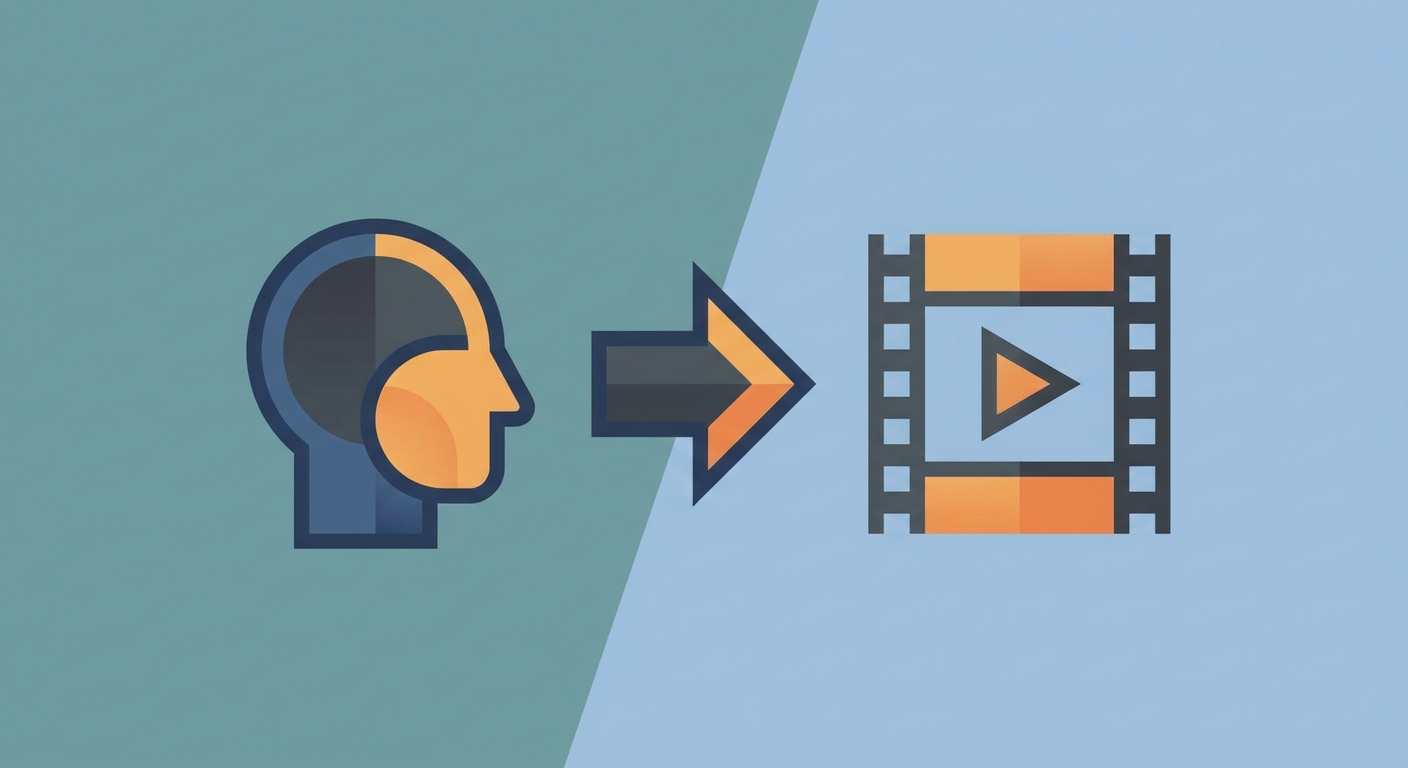
AI tools will no longer be limited to text. They will integrate text, images, voice, and even video. This will allow writers to generate multimedia content in one unified workspace.
3. Real-Time Co-Writing
Imagine an AI writing assistant that collaborates with you in real-time—suggesting sentence structures, checking tone, and sourcing facts as you type. It’ll be like working with a smart writing partner.
4. Personalized Writing Styles
AI will learn your writing voice over time. With persistent memory, it can match your tone, vocabulary, formatting preferences, and even brand guidelines, allowing for hyper-personalized content creation.
AI and Human Collaboration
A common fear is that AI might replace human writers. But the more likely scenario is collaboration—where AI enhances the writer’s role, not eliminates it.
Writer as Editor, AI as Drafter
In the future, human writers might act more as editors, strategists, and storytellers, while AI drafts content. This shift will help writers focus on big ideas, storytelling, and emotional depth—areas where human creativity thrives.
Creative Control and Ethics
Writers will maintain creative control. AI can suggest, but humans will approve, refine, and inject originality and values into the content. The best results will come from a balanced partnership.
Challenges and Considerations
As with any technology, the rise of AI writing assistants comes with important concerns:
1. Ethical Issues
Plagiarism, misinformation, and fake news are significant risks. AI must be used responsibly, with systems in place to verify and credit sources.
2. Data Bias
AI models are trained on vast internet data—which may include bias or harmful content. Developers and users need to be aware of and address these biases to ensure fair and inclusive writing.
3. Over-Reliance
AI can make things easier, but over-reliance may dull human creativity. Writers must continue to hone their skills, using AI as a tool—not a crutch.
Predictions for the Next 5–10 Years
Here’s what the future might look like for AI writing assistants:
1. AI Writing Coaches
AI could serve as real-time writing coaches—offering feedback on tone, clarity, emotional appeal, and storytelling techniques, just like a human editor.
2. AI-Generated Creative Works
From novels and poetry to movie scripts and journalism—AI will increasingly contribute to or co-author creative content.
3. Content for Every User
Personalization will reach new heights. AI will create different versions of the same content for different audiences—by age, region, interest, or reading level.
4. Industry-Specific AI Assistants
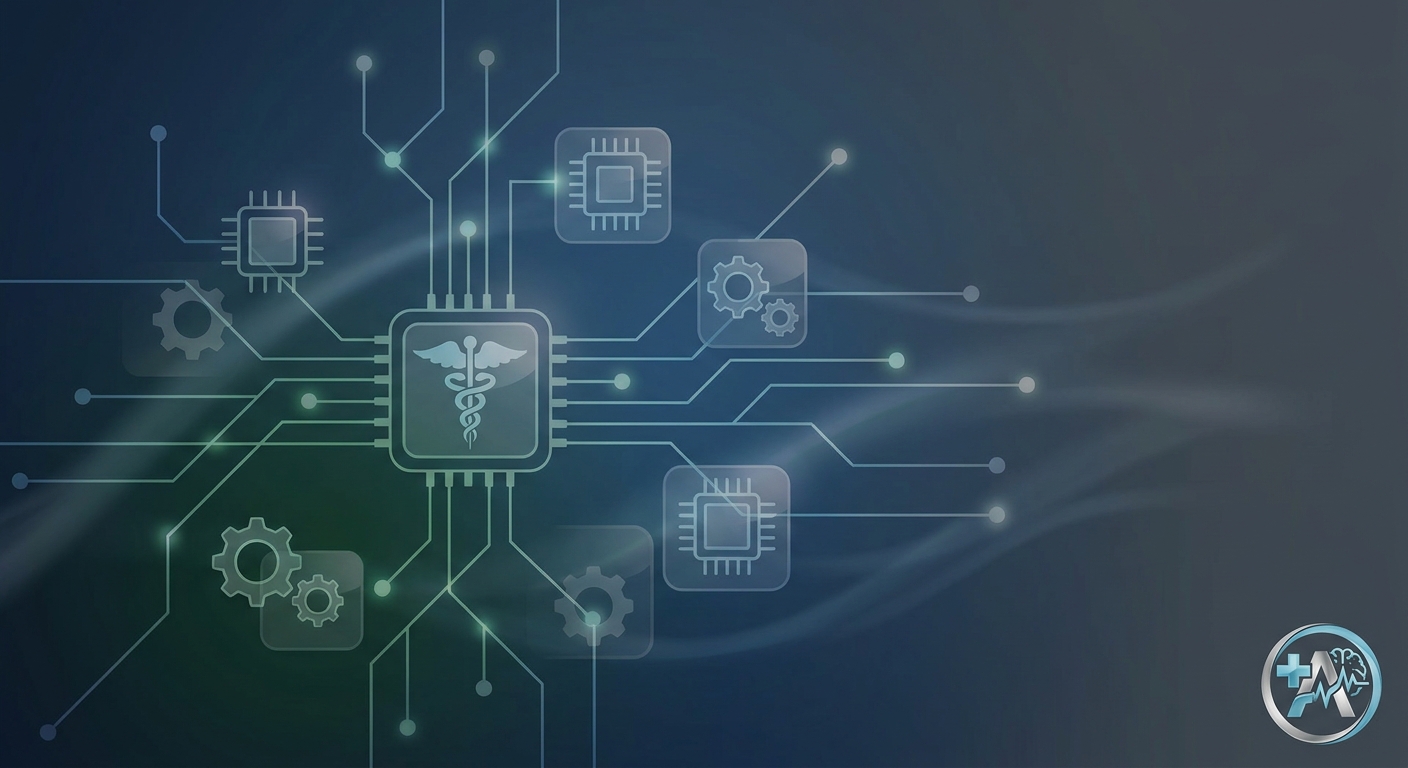
We’ll see specialized AI writing tools for specific domains like legal writing, technical documentation, medical content, and more—trained on industry-specific data.
5. Regulation and Transparency
Governments and organizations will introduce standards and guidelines for disclosing AI-generated content. Tools will likely include watermarking and transparency tags to identify machine-created work.
How Writers Can Adapt
Rather than fearing AI, writers should learn to leverage it for better outcomes. Here’s how:
1. Upskill with AI
Understand how different AI writing tools work and what their strengths are. Mastering prompt writing, fact-checking, and tool integration will give writers a competitive edge.
2. Focus on What AI Can’t Do
AI struggles with originality, emotion, and context-driven storytelling. Writers who excel in these areas will remain in demand.
3. Build Your Personal Brand
While AI can mimic style, it can’t replace a writer’s unique voice and authority. Writers who develop a distinct personal brand and thought leadership will stand out.
4. Embrace New Roles
With AI handling routine writing, new opportunities will emerge: content strategists, AI editors, writing curators, prompt engineers, and more.
Conclusion
The future of AI writing assistants is bright and full of potential. These tools are evolving fast—from basic text generators to intelligent collaborators capable of understanding style, context, and emotion. While challenges around ethics, bias, and over-reliance exist, the key lies in how we choose to use this technology. AI writing assistants will not replace human writers—but they will empower them. The future belongs to those who adapt, innovate, and embrace AI as a powerful partner in the creative process.
External Resources You Can Explore:
- OpenAI on the future of AI models
- Grammarly’s AI Writing Assistance Features
- Jasper AI Content Tool