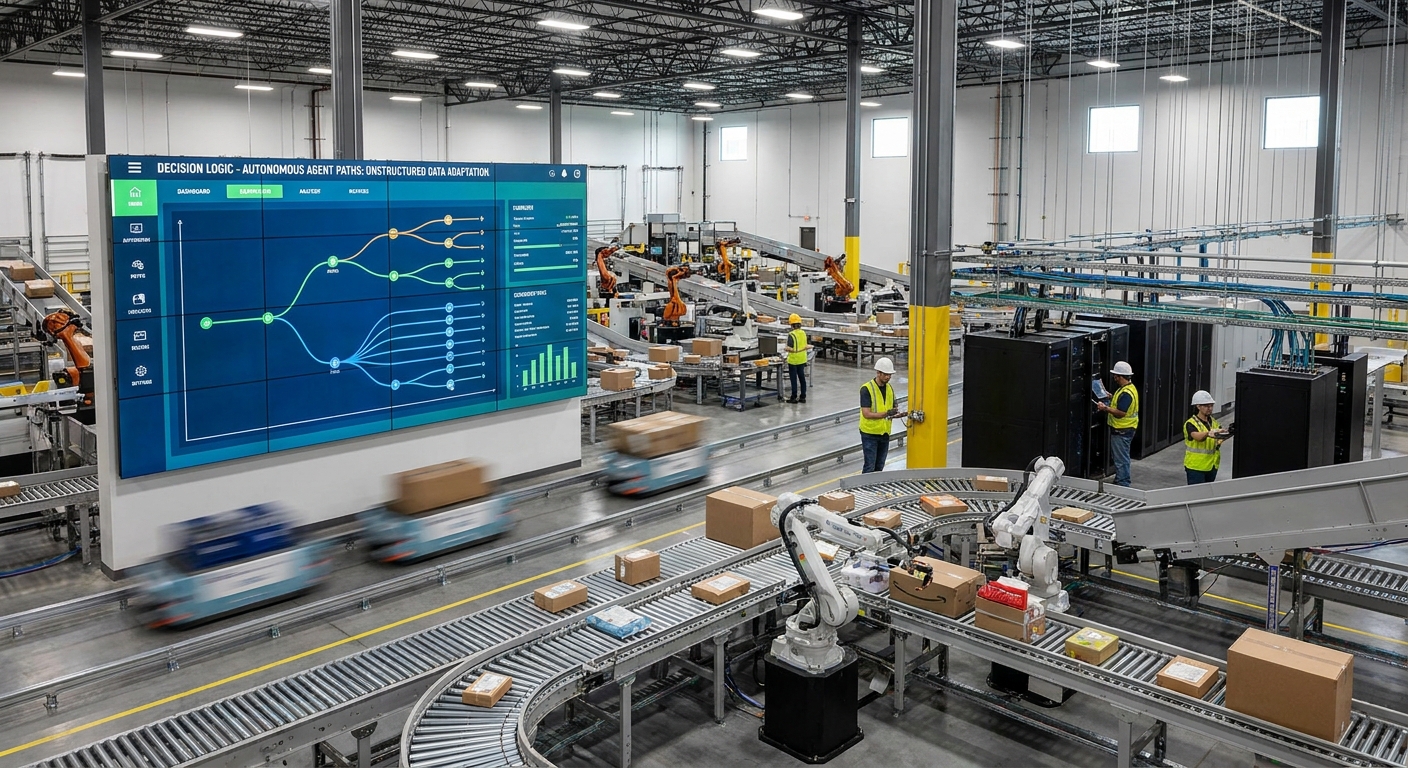
New Industry Report Maps Technical Integration Risks for Enterprise AI and Software Infrastructure Deployment

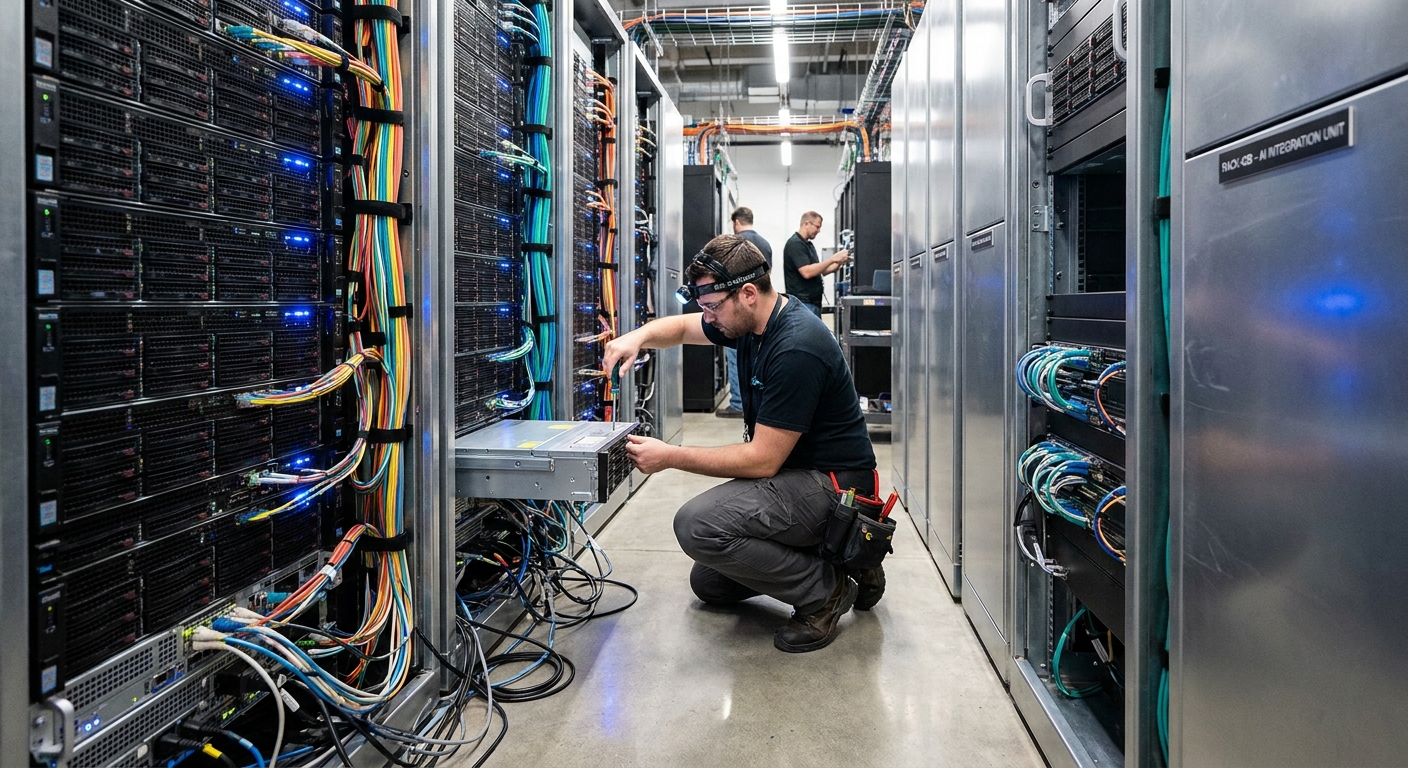
By 2026, the "experimental" label on artificial intelligence had been unceremoniously peeled off. It’s no longer a pilot project or a shiny toy for the R&D department; it is the bedrock of enterprise software. The numbers back this up: 90% of IT leaders are now pushing generative AI into production, and 81% of the C-suite isn't just watching from the sidelines—they’re driving the bus. We’ve moved past the "what if" phase and straight into the "how do we keep this thing running" reality for CRM, ERP, and accounting systems.
But here’s the rub: widespread adoption doesn't mean smooth sailing. While 78% of companies are actively using AI, most are hitting a wall. We’re talking about legacy infrastructure that wasn't built for this, data silos that refuse to talk to each other, and a talent pool that’s thinner than a budget airline meal. Integrating AI into an existing enterprise isn't just a technical upgrade; it’s a high-stakes balancing act between procurement, security, and the devs who actually have to ship the code.
The Landscape of Enterprise AI Adoption
There is a palpable shift in the air. Organizational confidence is up, jumping from 53% to 71% year-over-year. Why? Because businesses are finally seeing the money. Companies that have actually figured out how to scale their deployments are reporting a median ROI of 159% in just seven months. For 74% of these firms, generative AI is the engine room for those gains.
Yet, there’s a catch. Enterprises are, by nature, allergic to risk. They have shareholders to answer to, regulators breathing down their necks, and a public that’s quick to judge. This caution creates a nasty "value demonstration" gap. Nearly half of all enterprises—49%—say their biggest hurdle isn't the tech itself, but proving to the board that the ROI is real. It’s hard to justify a massive infrastructure overhaul when the metrics are still being written in real-time.
| Metric | 2025/2026 Status |
|---|---|
| Global AI Adoption Rate | 78% |
| C-Suite Leadership in AI | 81% |
| Median ROI for Scaled AI | 159% |
| IT Budget Allocation to AI | ≥ 10% |
Infrastructure Constraints and Hardware Realities
Let’s talk about the hardware elephant in the room. Most current AI deployments are running on Graphics processing unit hardware, which is a bit like trying to run a marathon in dress shoes. GPUs weren't originally built for the specific, grinding demands of large-scale AI workloads, yet 44% of leaders point to IT infrastructure constraints as their primary bottleneck.
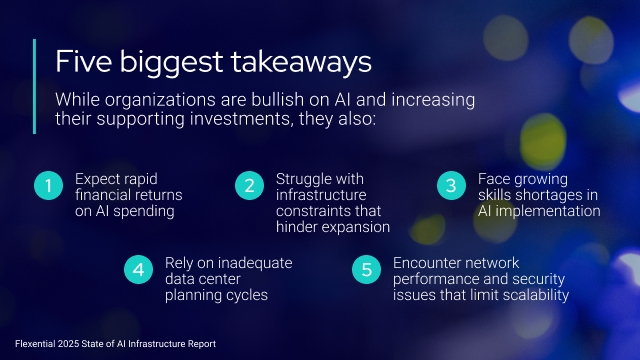
The industry knows this can’t last. We’re likely to see a shift away from general-purpose GPUs toward purpose-built hardware designed specifically for inference and training. This transition is the only way to optimize enterprise AI infrastructure compliance without sacrificing the security protocols that keep a business from imploding.
Meanwhile, the rise of edge computing and the adoption of the vector database are helping manage the firehose of data that modern AI requires. These tools are essential, but they also add layers of complexity. If your system compatibility is shaky or your data quality is poor, these tools will just help you make mistakes faster.
Strategic Hurdles and Operational Integration
Integrating AI into a legacy ecosystem is like performing open-heart surgery on a marathon runner while they’re still racing. Most existing data architectures simply weren't designed for the velocity of AI, and forcing them to adapt often creates new, more expensive data silos.
According to research on AI adoption in America, success hinges on four pillars:
- Legacy System Compatibility: Can your new AI layer talk to your ancient ERP without crashing the whole system? If not, you’re in trouble.
- Data Governance: If you feed your models garbage, you get garbage out. You need strict controls to prevent model drift and satisfy regulators.
- Skills Alignment: You can’t just ask a traditional IT sysadmin to manage a massive AI infrastructure. You need specialized talent, and you need it now.
- Cross-Departmental Alignment: Security teams want to lock everything down; developers want to move fast. If these two don't find common ground, nothing gets deployed.
Navigating the Future of AI Deployment
We’ve officially moved from "AI as a tool" to "AI as infrastructure." This isn't a one-off project; it’s a permanent shift in capital expenditure. With 70% of organizations now funneling at least 10% of their IT budget into AI, the stakes have never been higher.
The pressure to prove value is the ultimate driver here. Because enterprises operate under such intense scrutiny, deploying AI isn't just a technical decision—it’s a governance challenge. The winners in this space aren't the ones who sprinted to the finish line; they’re the ones who treated integration as a continuous cycle of testing, refining, and scaling.
Looking ahead, the market is going to reward modularity and security. As purpose-built hardware matures and software frameworks become more robust, the current headaches—GPU dependency, legacy incompatibility—will start to fade. But for now, the companies that survive are the ones that can navigate the messy intersection of regulatory red tape and technical scalability.
The data is clear: slow and steady, backed by a rock-solid data strategy, beats a high-risk, high-speed gamble every time. By focusing on the structural integrity of their systems rather than just the hype, enterprises can actually turn this new era of software infrastructure into a competitive advantage.