New Industry Analysis Maps 2026 AI Master Stack Architecture and Prompt Engineering Standards for Enterprises


The 2026 Enterprise AI Playbook: Moving Beyond the "Wild West"
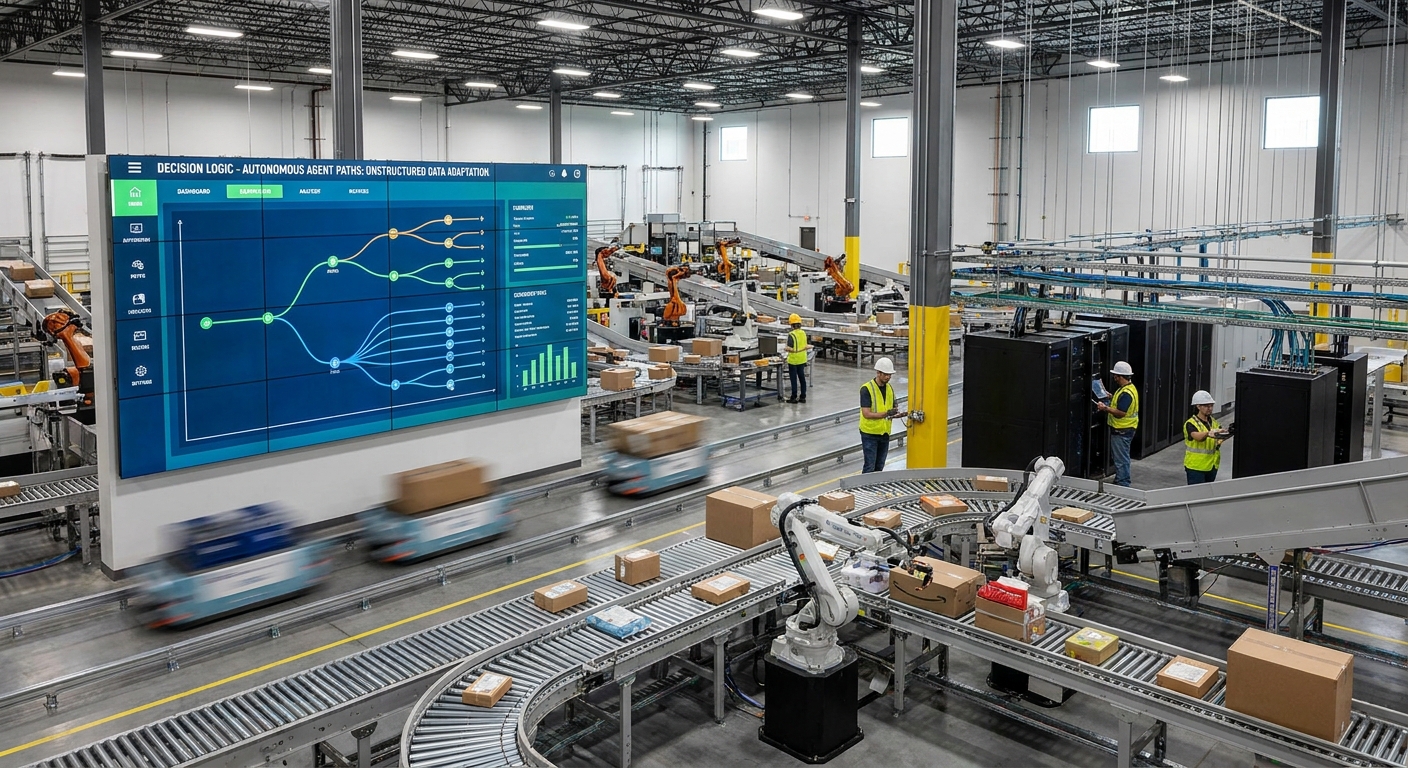
The honeymoon phase for enterprise AI is officially over. If 2024 and 2025 were about frantic experimentation—tinkering with chatbots and hoping for magic—2026 is the year of the "Agentic Architecture." We’ve stopped asking if AI works and started asking why it keeps breaking.
With enterprise AI spending ballooning to $37 billion annually, the focus has shifted from simple model integration to building a rigorous, context-heavy infrastructure. The goal? Reliability. Governance. And, finally, a return on investment that doesn't feel like a rounding error.
The Death of the "Black Box" Stack
Early AI deployments failed for a simple reason: they were brittle. You threw a prompt at a model and prayed for a coherent output. With 60% of enterprises reporting lackluster ROI, the industry has hit a wall. We’ve realized that a model, no matter how powerful, is just a brain in a jar without a nervous system.
According to the Atlan AI Agent Stack framework, the standard trifecta of models, orchestration, and memory is no longer enough to survive in production. To stop the bleeding—and the $12.9 million average annual loss attributed to poor data quality—enterprises are bolting on two critical layers:
- The Enterprise Context Layer: Think of this as the "company brain." It’s a governed repository that feeds agents the specific, domain-relevant data they need to actually understand your business, rather than just hallucinating based on internet training data.
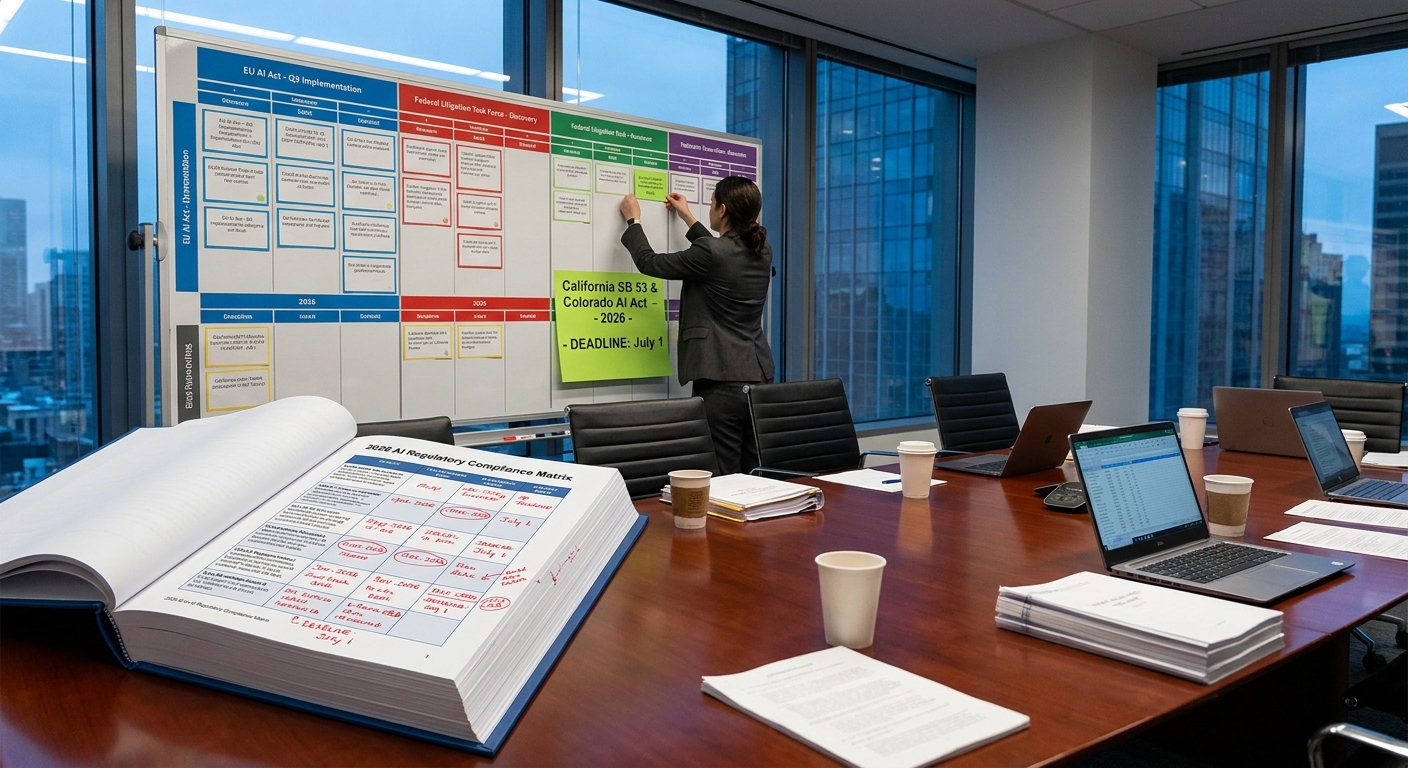
- The AI Control Plane: This is the bouncer at the door. It enforces access, monitors agent behavior, and ensures that when an AI makes a decision, it’s actually compliant with the regulatory alphabet soup of GDPR, HIPAA, and internal policy.
Without these, you aren't running an AI strategy; you're running a high-stakes experiment.
Planning is the New Coding
Remember when we thought LLMs would replace developers? That was cute. In reality, the role of the engineer is shifting from syntax monkey to architect. The SDLC AI Radar 2026 report makes it clear: we are entering an era where "planning is the new coding."
Because AI is inherently probabilistic—meaning it’s prone to "confident stupidity"—you can’t just let it write code and push to production. The danger isn't that the AI won't work; it's that it will work almost perfectly, hiding subtle, long-term architectural rot that a human won't spot for months.
Success today isn't measured by lines of code generated. It’s measured by the precision of your intent. If your specifications are fuzzy, your output will be garbage. Upstream rigor is the only way to keep these autonomous agents from veering off-course.
The Open-Source Pivot
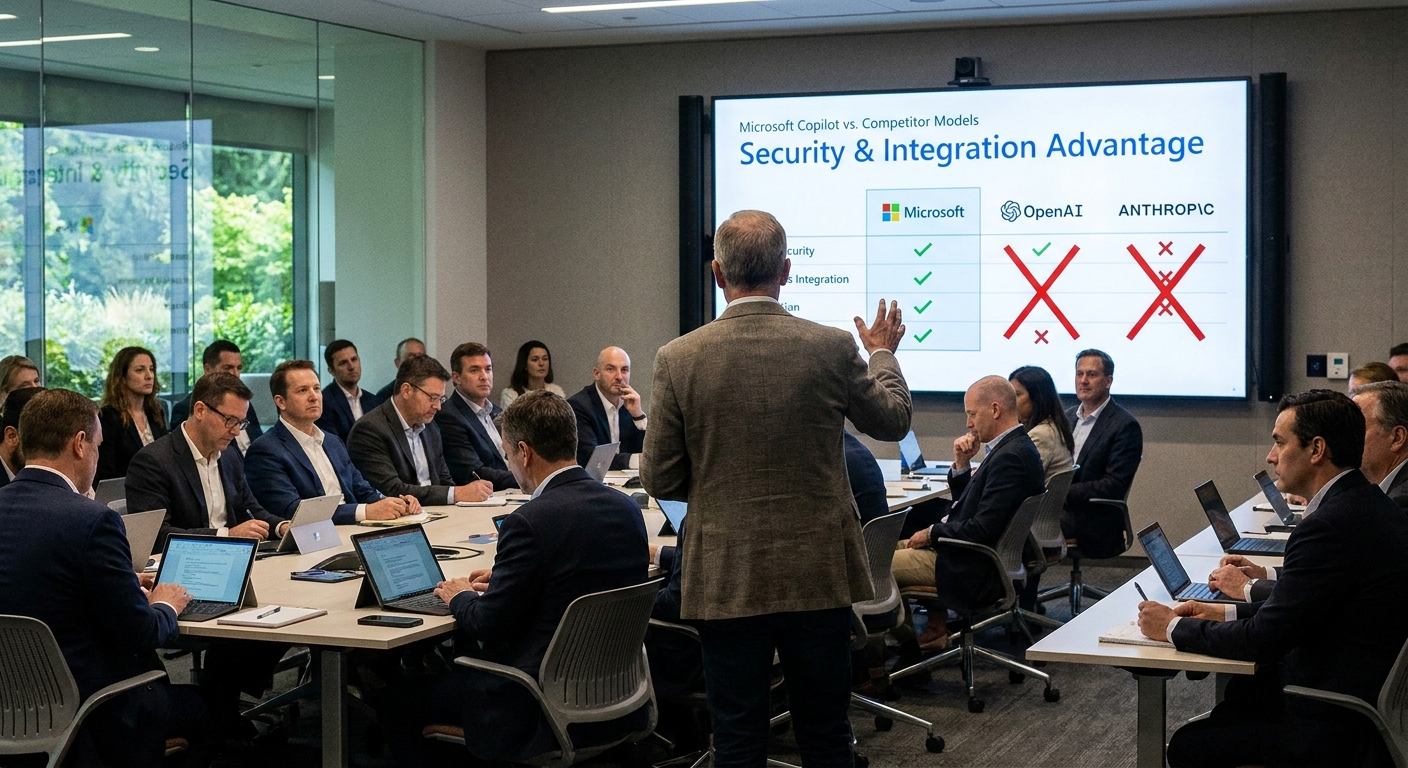
For the Fortune 2000, the "proprietary-only" model is starting to look like a trap. Why pay a premium for a black-box API when you can host your own Llama, Mistral, or Falcon models? As Architecture and Governance’s analysis of enterprise AI strategy points out, the shift to open-source isn't just about saving money—it's about sovereignty.
When you own the model weights, you own the roadmap. You aren't at the mercy of a vendor’s API update that suddenly breaks your entire workflow. Plus, keeping data on-premises or in a private cloud is the only way to sleep soundly during a compliance audit.
| Feature | Proprietary Models | Open-Source Models |
|---|---|---|
| Hosting | Managed Cloud | On-Prem/Private Cloud |
| Cost Model | Per-token usage fee | Infrastructure/Compute cost |
| Governance | Vendor-dependent | Full enterprise control |
| Flexibility | High vendor lock-in | High architectural autonomy |
Prompt Engineering: From Art to C-Suite Mandate
If you still think "prompt engineering" is just about knowing which magic words to type, you’re behind the curve. In 2026, it’s a C-level imperative. It is the language of business intent.
As Menlo Ventures notes regarding the state of generative AI, the gap between a successful deployment and a failed one is almost always the maturity of the governance model. We’ve seen 47% of AI deals reach production, but only 21% of companies have the guardrails to manage them properly.
That gap is where the winners and losers of the next few years will be decided.
The remainder of 2026 won't be about chasing the newest, shiniest model. It will be about the unglamorous, heavy lifting of building control planes and context layers. It’s about accountability. It’s about reliability. And for the organizations that get it right, it’s about finally turning AI from a volatile cost center into a genuine, sustainable competitive advantage. The experimental phase is over; the era of the governed agent has begun.