New Industry Data Reveals Why Enterprises Are Prioritizing Custom AI Development Over Off-the-Shelf Tools

Why Enterprises Are Ditching Off-the-Shelf AI for Bespoke Builds
The honeymoon phase with "plug-and-play" AI is officially over. A growing cohort of digital-first enterprises is quietly pulling the plug on generic, off-the-shelf platforms, opting instead to roll their own. It isn’t just about ego or engineering pride; it’s a cold, calculated pivot. Companies are realizing that if you use the same tools as your competitors, you’ll inevitably get the same results. To secure proprietary workflows and actually gain an edge, the "standardized" approach just doesn't cut it anymore.
Recent data paints a messy picture for the off-the-shelf crowd. While these tools promise a quick win, they often hit a wall the moment they touch unique, messy, real-world data. The result? A high rate of project stagnation. Organizations are discovering that true competitive advantage isn't bought in a subscription box—it’s built from the ground up to match the specific, often eccentric, requirements of their own operations.
The 95% Failure Rate
The current enterprise AI landscape is littered with wreckage. Reports suggest that a staggering 95% of GenAI investments fail to move the needle on the bottom line. If you dig into why 95% of AI projects fail, you’ll find that the tech itself isn't usually the culprit. It’s the mismatch. Generic tools are designed for the masses, which means they are optimized for everything and good at nothing in particular.
When you rely on a baseline AI tool, you’re essentially capping your own potential. You’re playing on the same field, with the same rules, as every other company in your sector. For a business looking to disrupt its market, that lack of differentiation is a death sentence. You aren't innovating; you're just keeping pace with the status quo.
Building vs. Buying: The Strategic Necessity
Moving in-house isn't a luxury; it’s a survival tactic. When you build, you own the stack—the algorithm selection, the data processing, the integration. You stop being a tenant in a vendor's ecosystem and start being an owner of your own infrastructure. This is non-negotiable in high-stakes industries like finance or healthcare, where precision isn't just a goal—it’s a requirement.
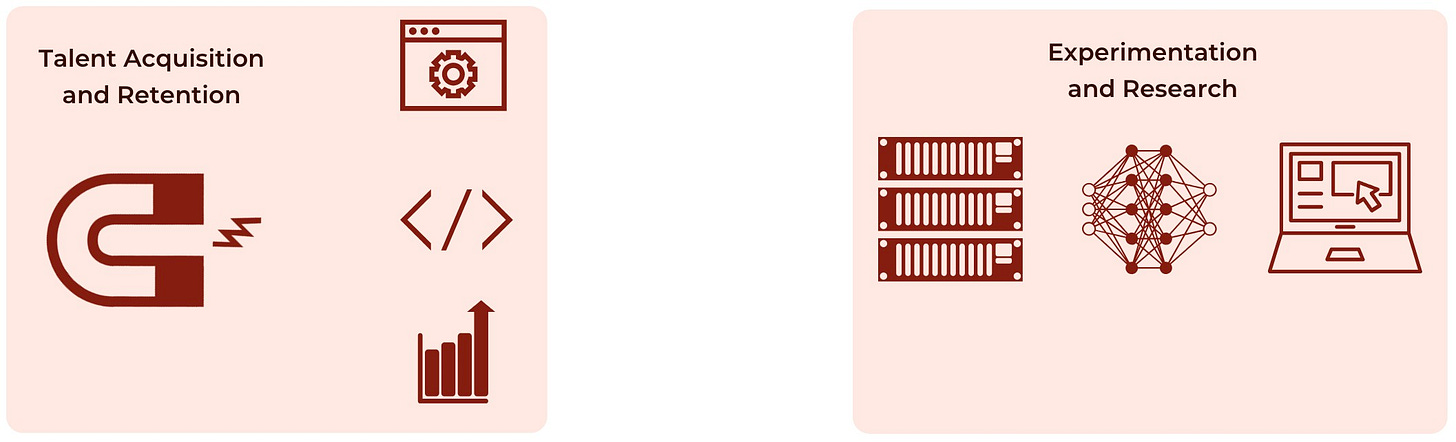
Research into the strategic divide between custom and ready-made AI shows that projects led by specialized internal teams simply perform better. Plus, there’s the talent factor. Top-tier engineers don't want to spend their careers managing third-party API keys. They want to build. Giving them the freedom to craft bespoke systems is the best way to keep your best people from jumping ship.
| Benefit Category | Impact of Custom AI |
|---|---|
| Competitive Edge | Enables unique, proprietary business models. |
| Operational Fit | Deep integration with existing data silos. |
| Cost Efficiency | Optimized infrastructure at scale. |
| Talent Retention | Attracts high-level engineering talent. |
Moving Beyond "Productivity"
Deloitte’s 2026 State of AI in the Enterprise report surveyed 3,000 leaders, and the findings were telling. While 37% of companies are still using AI for basic productivity—think chatbots and summaries—only 34% are using it to fundamentally rethink how they do business. Guess which group is actually making money?
The gap between "speed" and "transformation" is massive. Startups and enterprises that redesign their core processes around custom AI are seeing 90% higher revenue and 40% lower capital expenditure. They aren't just layering AI on top of broken, inefficient manual processes; they are burning those processes down and building something new. It’s the modern equivalent of the AlphaGeek ethos: stop settling for standard tools and start crafting an environment that actually works for your specific, high-performance needs.
Where Customization Matters Most
Some sectors are finding that generic tools are fundamentally incompatible with their needs. When the stakes are high, you can't afford a "one-size-fits-all" solution:
- Healthcare: Predictive analytics need to be hyper-localized to patient outcomes, not generic health trends.
- Finance: Real-time fraud detection requires models tailored to specific, evolving transaction patterns.
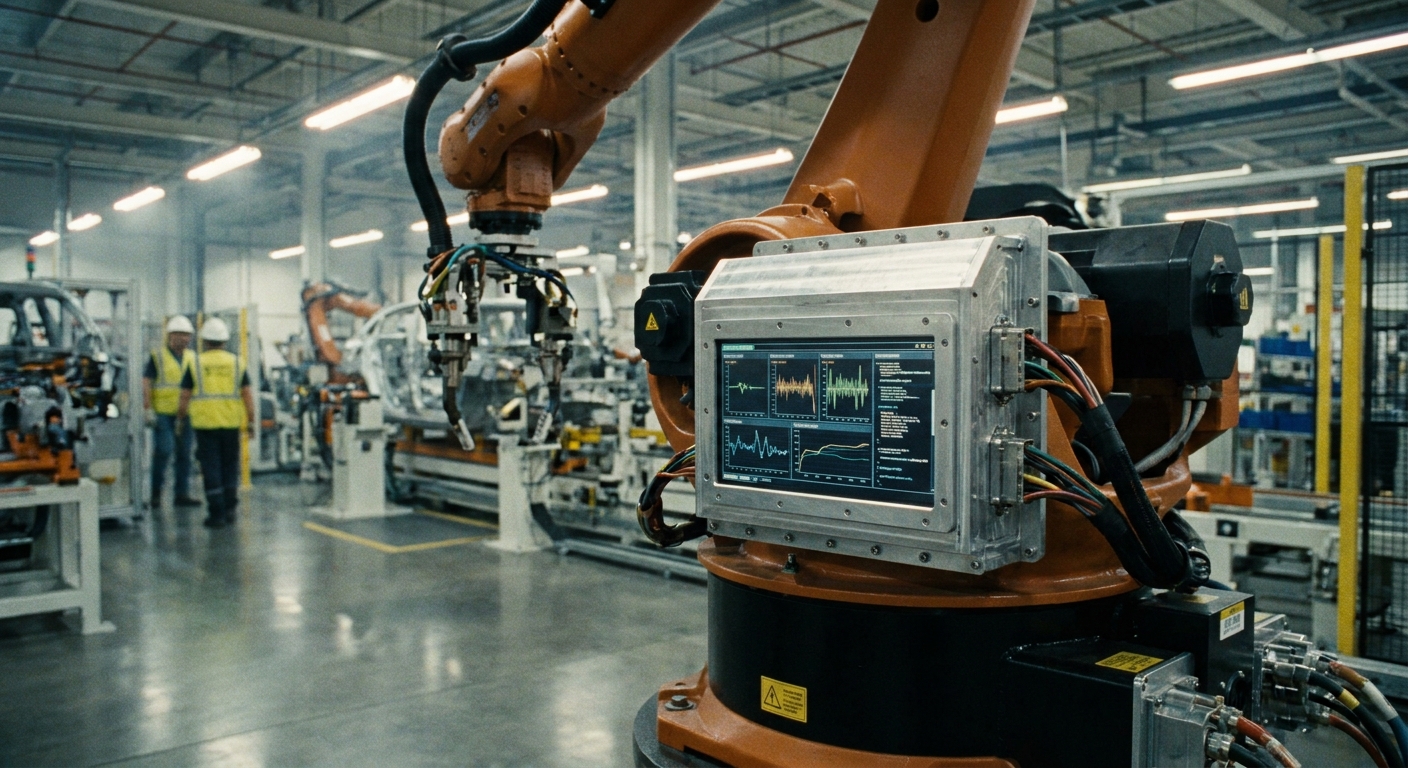
- Manufacturing: Predictive maintenance must account for the unique, often idiosyncratic lifecycles of specialized machinery.
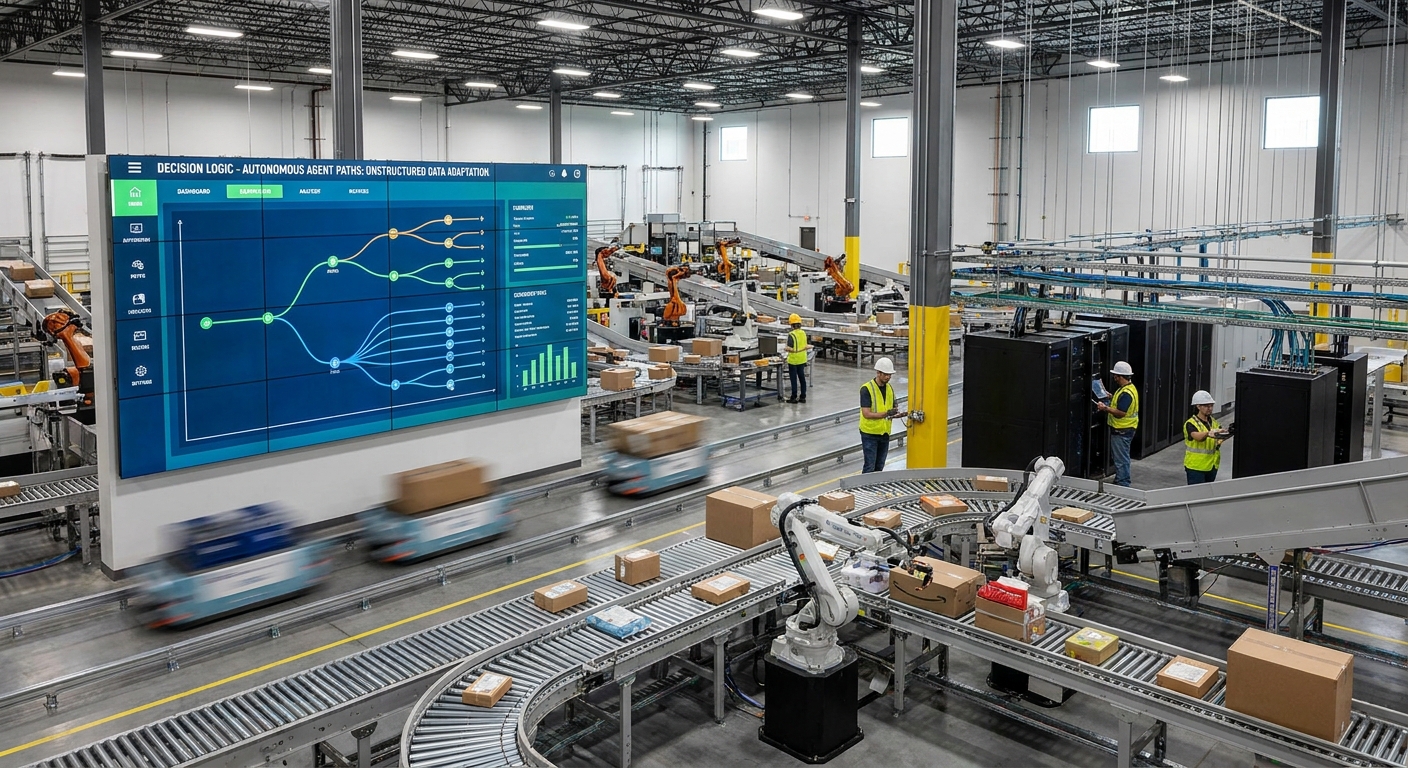
- Logistics: Route planning is only as good as the proprietary supply chain data feeding it.
- Insurance: Automated underwriting is useless without deep integration into internal historical risk data.
The Long Game
Custom platforms offer something off-the-shelf tools never will: flexibility. As digital-first giants build their own AI infrastructure, they’re creating a sandbox for experimentation. When a new breakthrough happens, they don't wait for a vendor to update a roadmap; they implement it themselves.
Vendor lock-in is a silent killer. When you’re at the mercy of an external provider’s pricing and feature limitations, you’re not in control of your own destiny. Building in-house allows you to optimize your costs as you scale, rather than watching your margins get eaten by subscription fees.
We are watching the enterprise AI market grow up. The initial hype is fading, and the "easy" path is being exposed for what it is: a dead end. The companies that survive this cycle aren't the ones that bought the most software; they’re the ones that focused on proprietary data, custom architecture, and the courage to redesign their business from the inside out.