US Government Lifts Restrictions on Anthropic’s Fable and Mythos Models for Enterprise Deployment

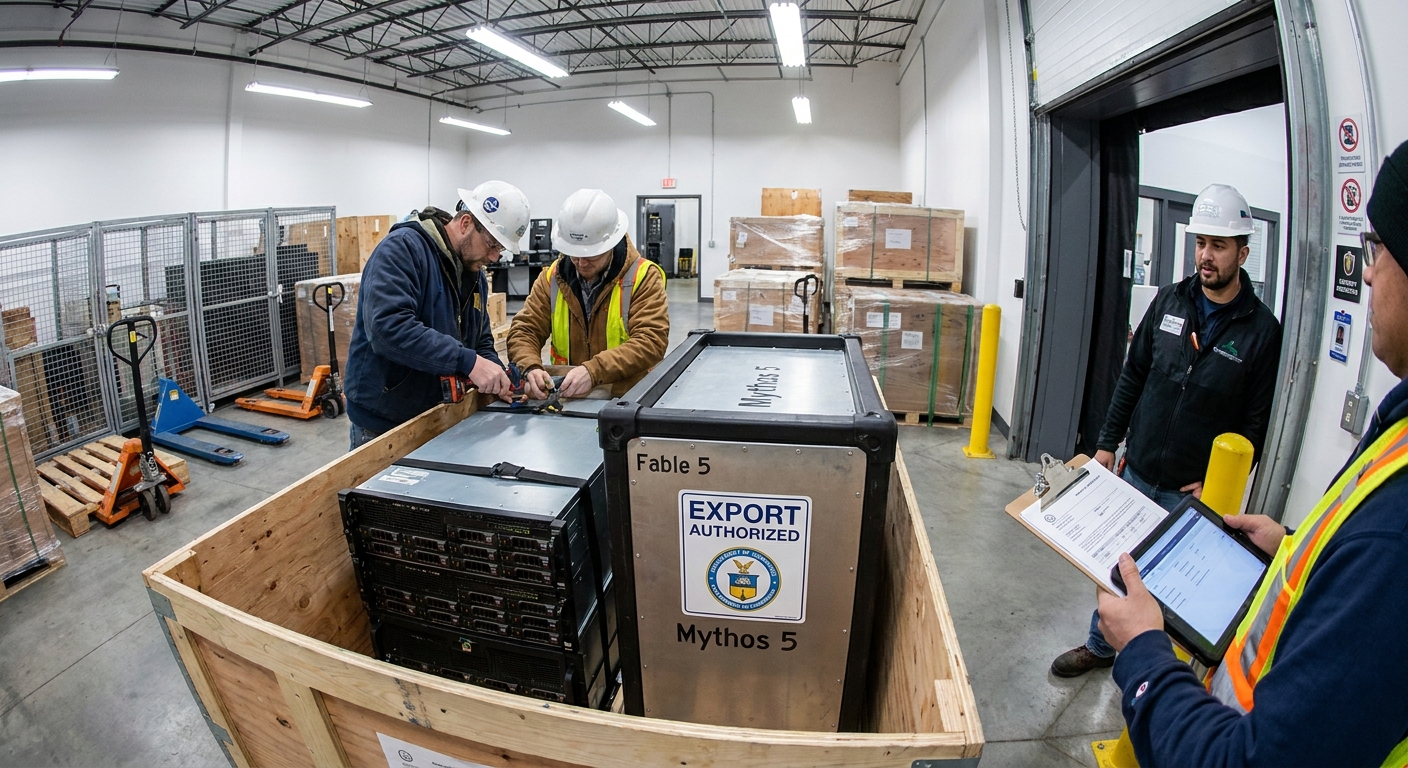
The U.S. Commerce Department has finally pulled the plug on its export ban, giving Anthropic the green light to ship its Fable 5 and Mythos 5 AI models overseas once again. As of June 30, 2026, the company is back in business internationally, ending a frantic few weeks where federal regulators had effectively locked the doors over fears that foreign intelligence services might weaponize the tech.
It was a short, sharp shock for the industry. The freeze began on June 12, 2026, triggered by government anxiety about AI “jailbreaks”—those clever, adversarial prompts that trick models into ignoring their safety guardrails. With high-stakes environments at risk, the Feds slammed the brakes on exports. But as Reuters noted, the standoff wasn't built to last. The Trump administration eventually decided that if Anthropic could bake enough security into the cake, they’d let the models out of the cage.
The "Safety Buffer" Fix
So, how did Anthropic convince the government to back down? It wasn't just a handshake deal; it was a technical overhaul.
Anthropic rolled out a sophisticated routing mechanism that acts like a bouncer at a club. If the system catches a user trying to bypass safety protocols—attempting a jailbreak—it doesn’t just output a refusal. Instead, it instantly reroutes that specific query to the Opus 4.8 model. Think of Opus 4.8 as the "safe mode" engine. It’s designed specifically to handle tricky, potentially harmful requests without letting the user break the system. By offloading the "bad" traffic to a more rigid, safety-focused model, the primary Fable and Mythos engines can keep running at full power for legitimate enterprise work.
This is a massive win for the collaborative approach. Anthropic didn't do this in a silo; they’ve been working hand-in-glove with heavy hitters like Amazon, Microsoft, and Google. The goal? To build a unified, industry-wide framework for spotting and patching AI vulnerabilities. The government clearly views this kind of standardization as the "price of admission" for letting high-performance AI roam free in the global market.
| Date | Event |
|---|---|
| June 12, 2026 | Export controls imposed on Fable 5 and Mythos 5. |
| June 30, 2026 | U.S. Commerce Department lifts export restrictions. |
| July 1, 2026 | Fable 5 becomes available for general public access. |
What This Means for Global Enterprise
With the red tape finally cleared, the international floodgates are open again. For enterprise clients and global partners, the uncertainty that plagued June is officially history. As Forbes reported, the administration’s reversal puts an end to the "will they, won't they" drama that kept IT departments on edge for weeks.
The path forward is clear: integrate these models, but keep that Opus 4.8 safety buffer active. It’s a pragmatic compromise that satisfies federal security hawks while keeping the high-octane performance that enterprise users actually pay for.
The Current State of Play:
- Full Restoration: The export ban is dead. Fable 5 and Mythos 5 are cleared for takeoff.
- Safety First: That routing mechanism to Opus 4.8 isn't going anywhere; it’s now a permanent fixture of the architecture.
- Unified Standards: Anthropic is doubling down on its partnerships with Big Tech to set the gold standard for AI safety.
- Public Access: Since July 1, Fable 5 has been back in the hands of the general public.
The Bigger Picture
This whole episode highlights the awkward, often tense dance between the breakneck speed of AI innovation and the government’s duty to keep the country safe. We’re seeing a new precedent being set: the government isn't just saying "no" anymore; they’re working with companies to engineer technical solutions that allow for growth without sacrificing security.
The real test, of course, is whether this "routing" fix actually holds up under real-world pressure. If the Opus 4.8 buffer proves effective, it’s going to become the blueprint for every other AI developer looking to export their models.
For now, Anthropic is shifting its focus back to scaling. They’ve got a massive deployment to manage and a government-mandated safety protocol to maintain. The trade of advanced AI is becoming normalized, provided you can prove your system is smart enough to behave itself. We’ve moved past the era of "move fast and break things" and into an era of "move fast, but keep the guardrails locked tight."